
Language


-
-
-
-
-
-
-
-
-
-
-
-
-
-

-
-
-
-
-
-
-
-

-
-
-

-
-
-
-
-
-
-
-
-
-
-
-
-
-
-
-
-
-
-
-
-
-
-
-
-
-
-
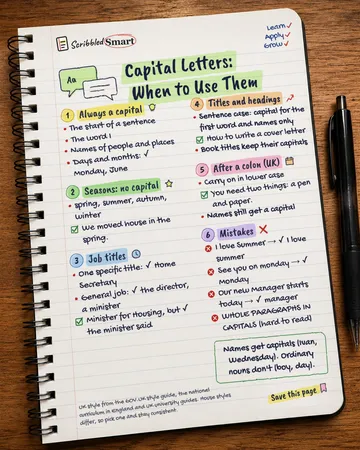
-
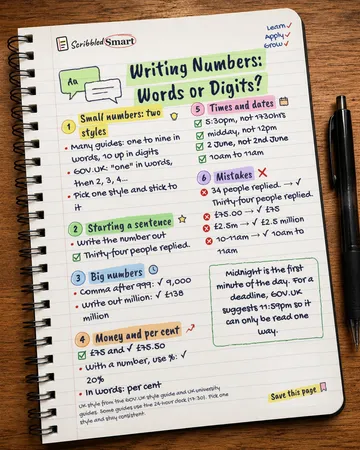
-
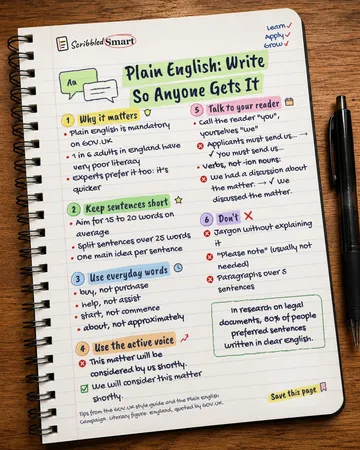
-
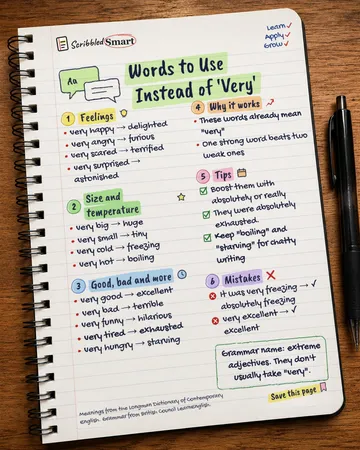
-
-
-
-
-
-
-
-
-
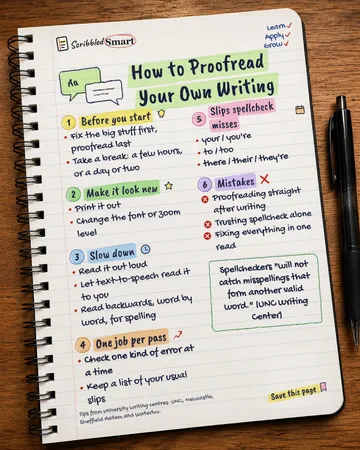
-
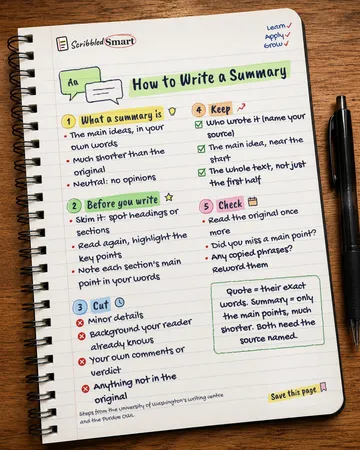
-
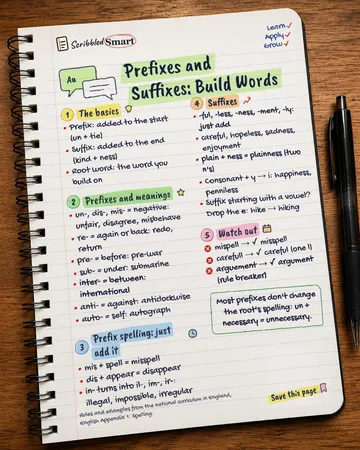
-
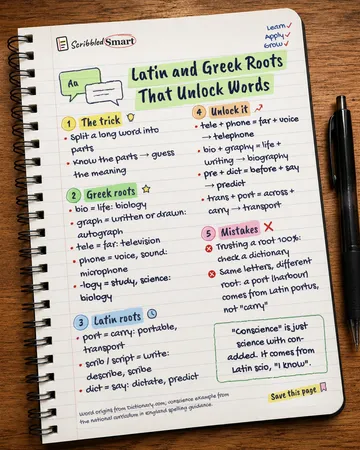
-
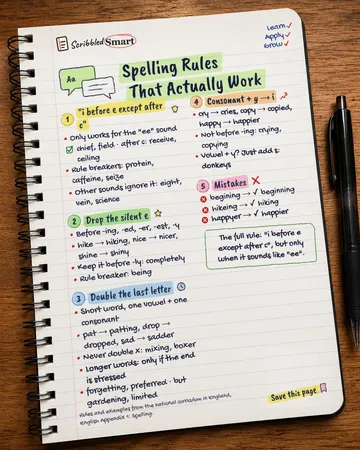
-
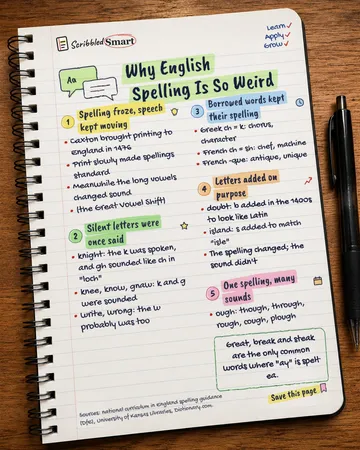
-

-
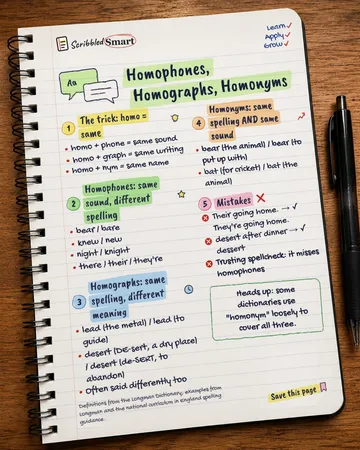
-
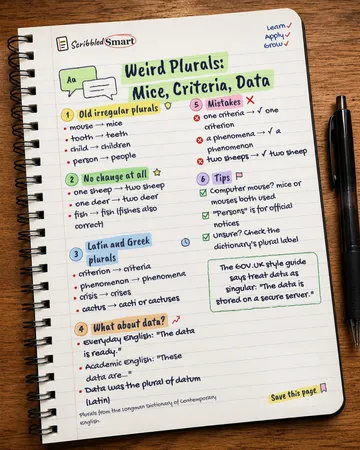
-
-
-
-
-
-
-
-
-
-

-
-
-
-
-
-
-
-
-
-
-
-
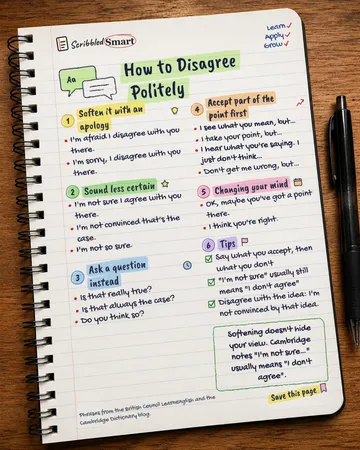
-
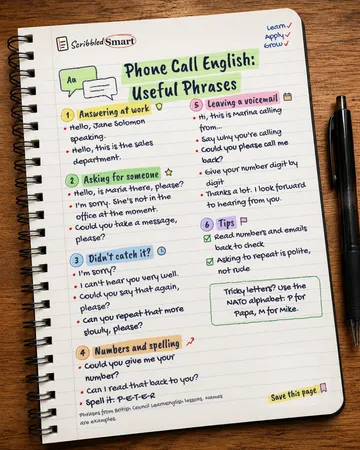
-
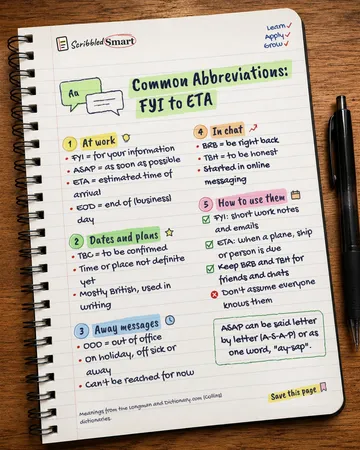
-
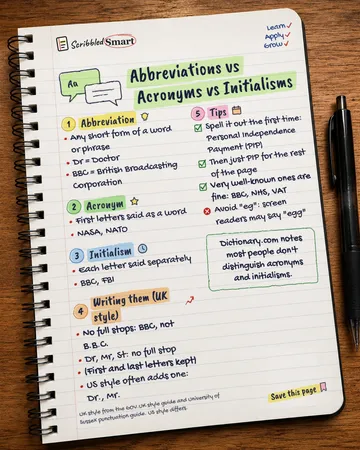
-
-
-


About the Language series
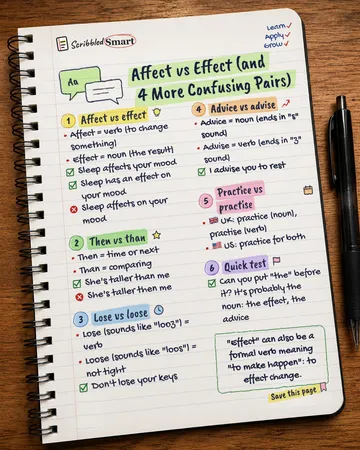
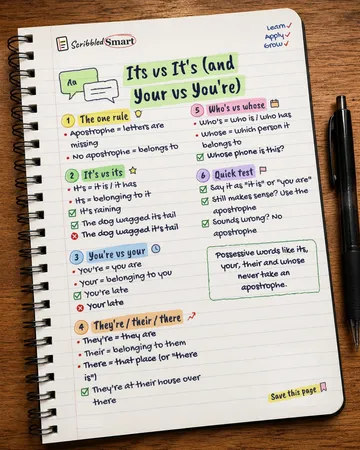
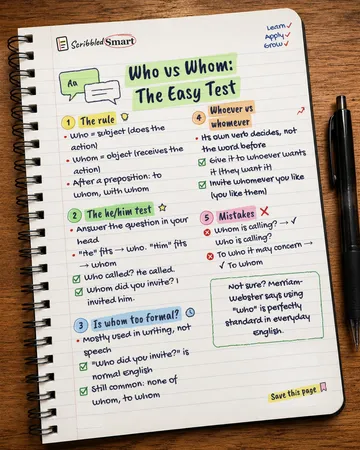
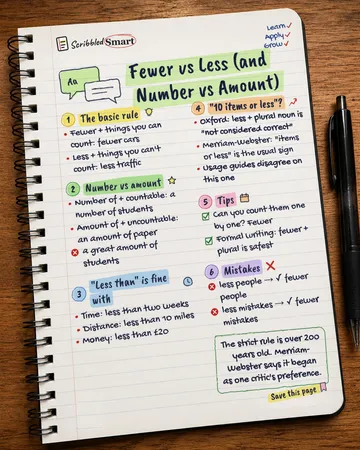
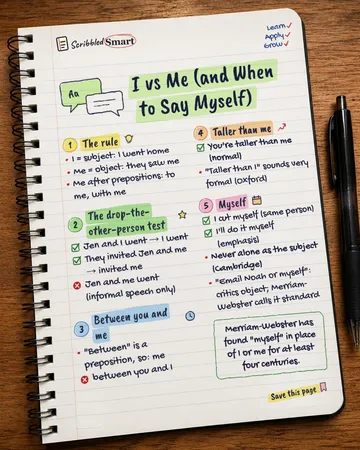
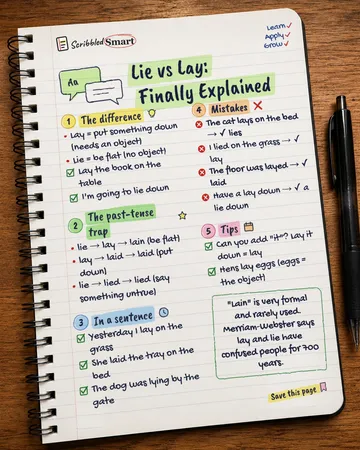
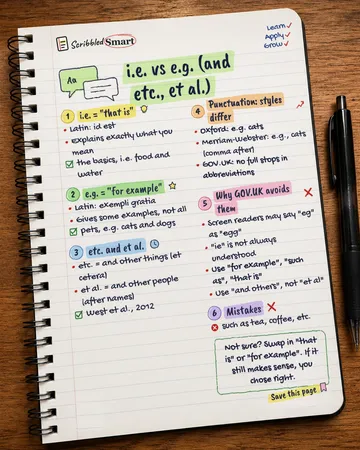
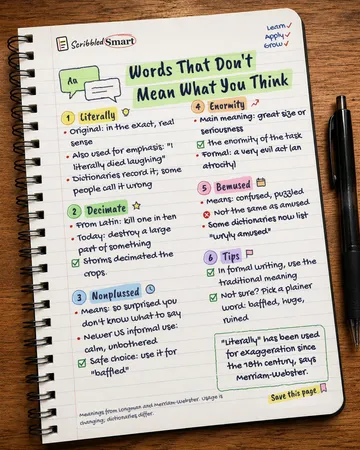
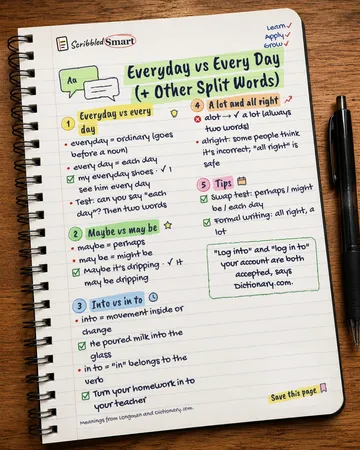
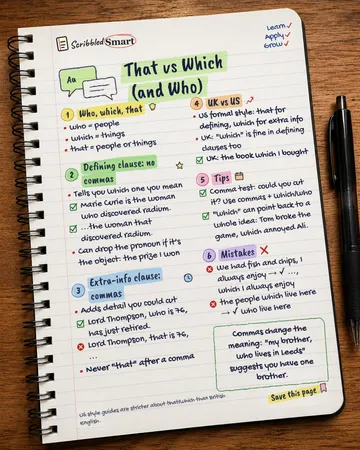
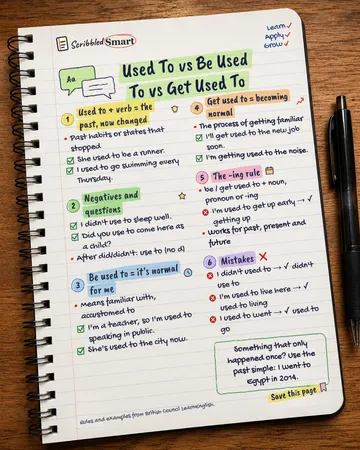
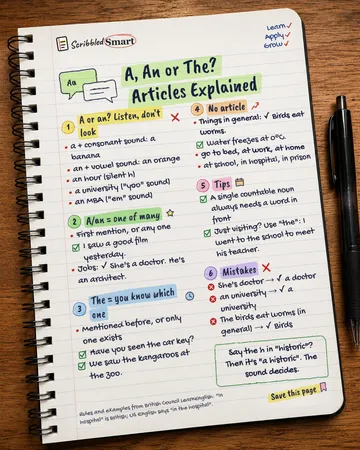
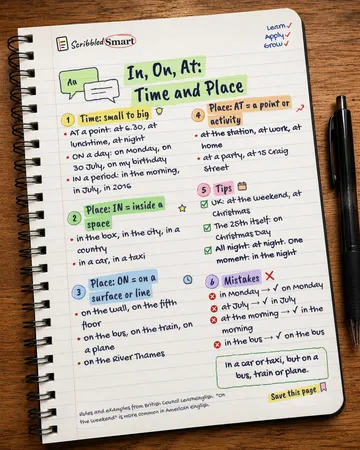
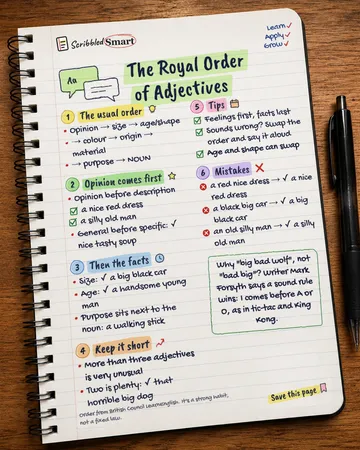
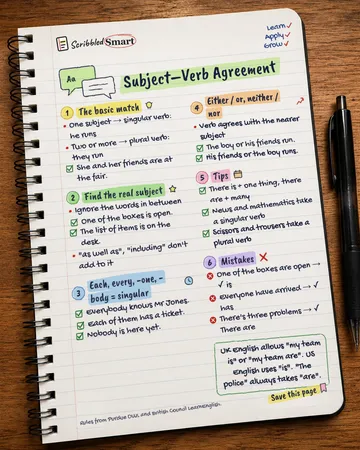
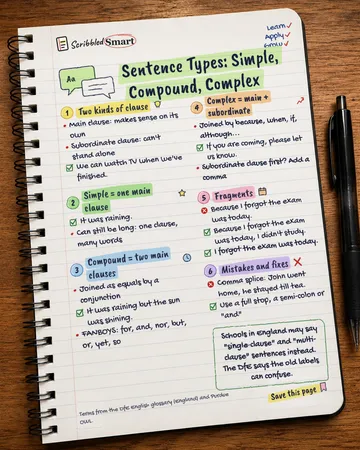
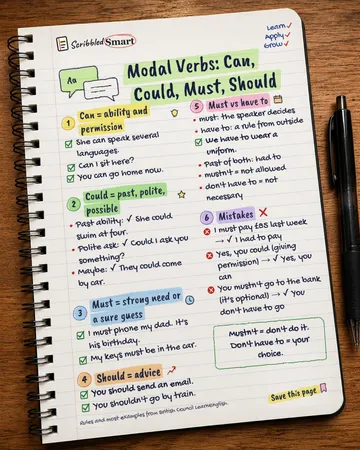
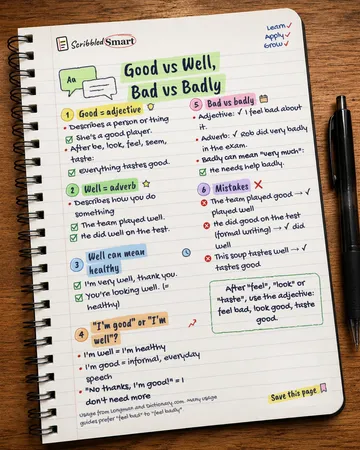
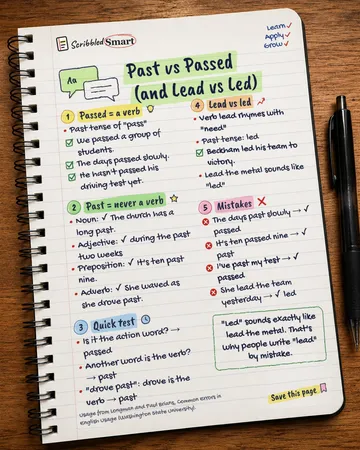
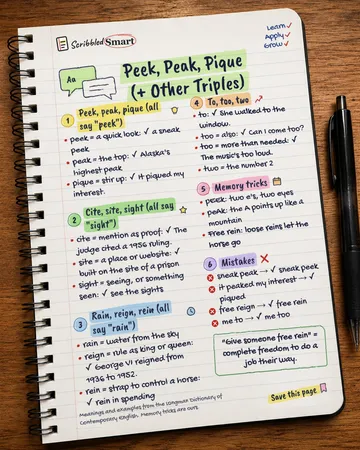
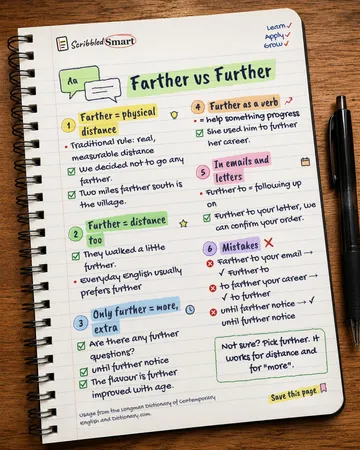
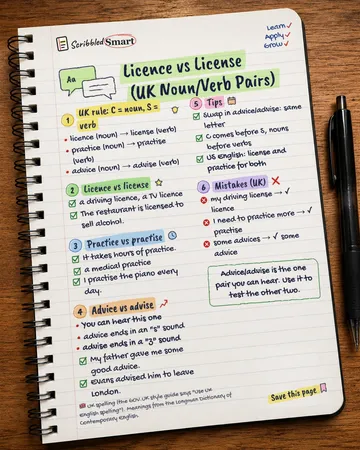
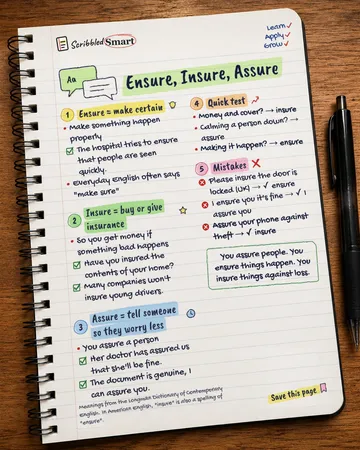
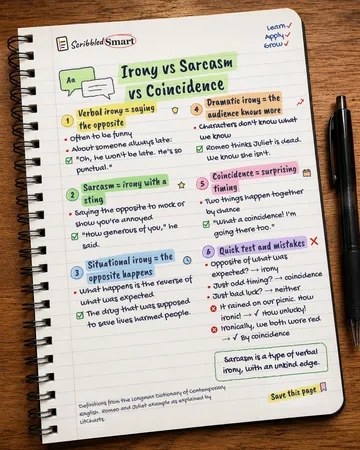
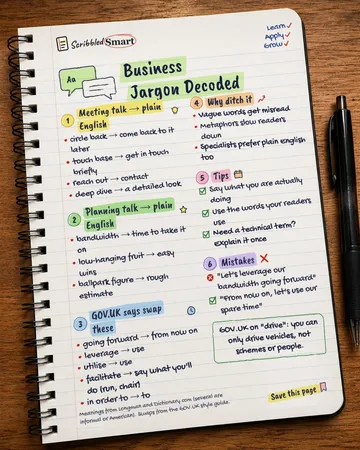
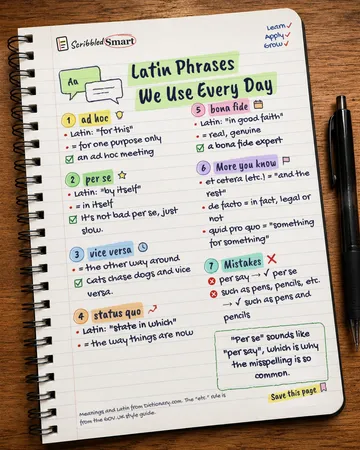
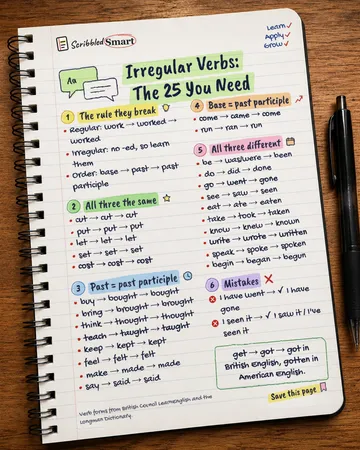
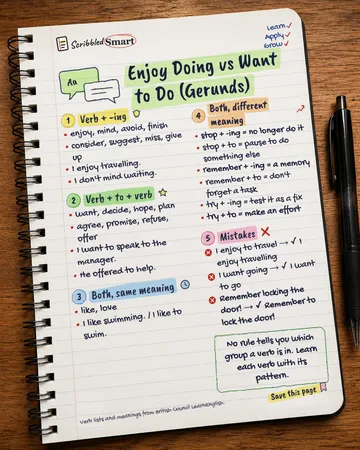
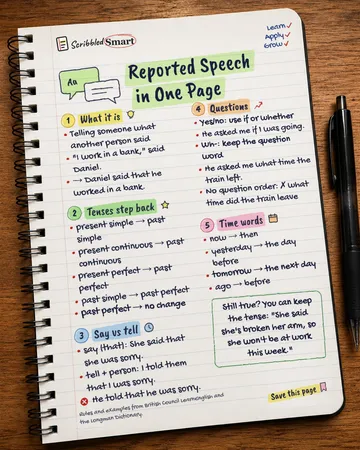
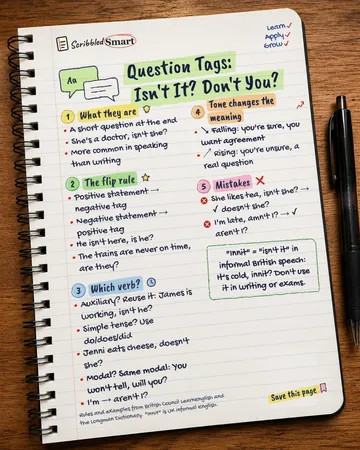
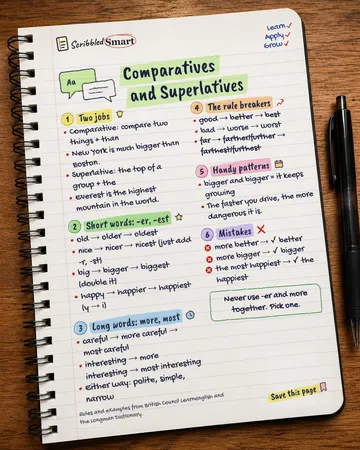
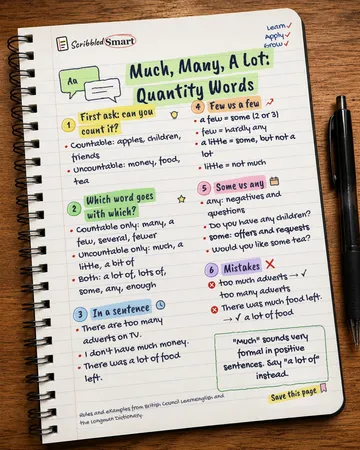
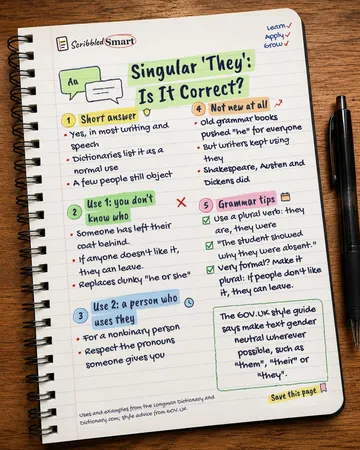
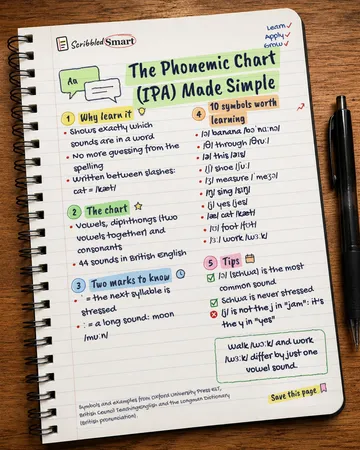
This series explains the parts of English that trip people up, with a simple rule and examples for each. Many notes deal with word pairs that are easy to mix up: affect and effect, its and it's, your and you're, who and whom, fewer and less, lie and lay, I and me, and i.e. and e.g.
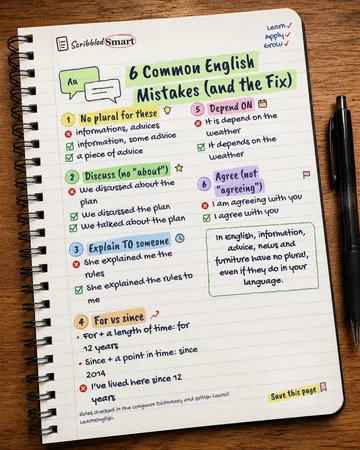
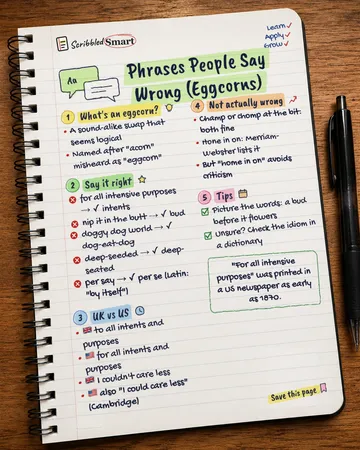
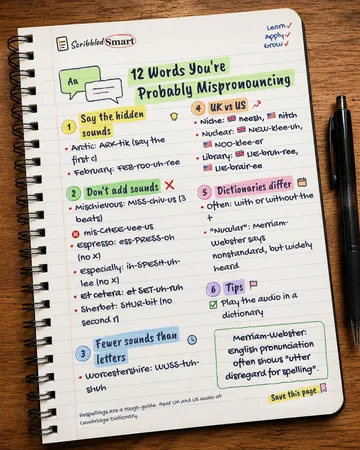
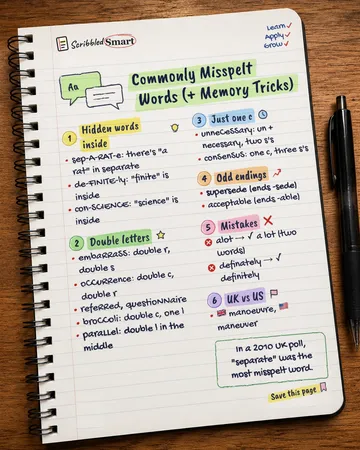
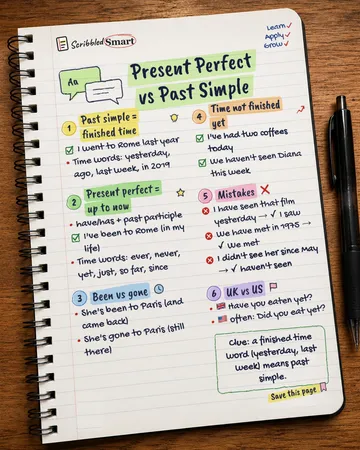
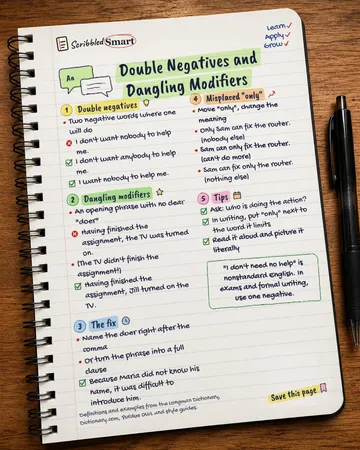
Other notes cover common mistakes, such as "should of" instead of "should have", phrases people say wrong, misspelt words, words that are often mispronounced, and the difference between the present perfect and the past simple.
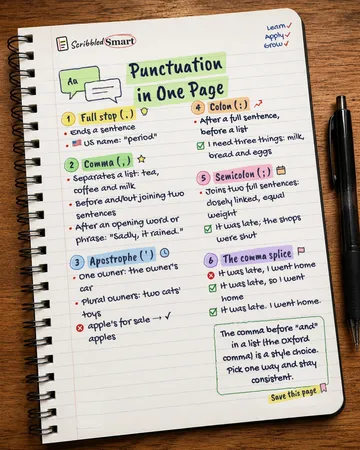
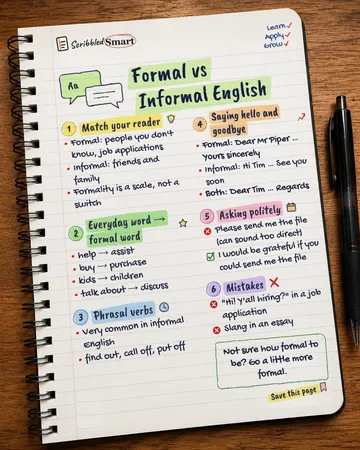
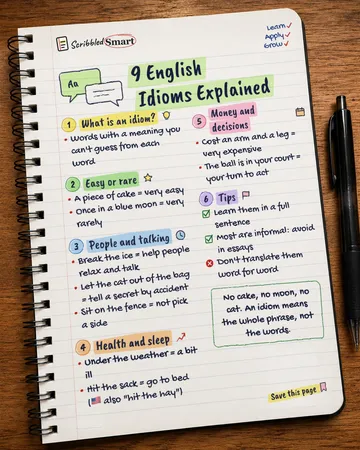
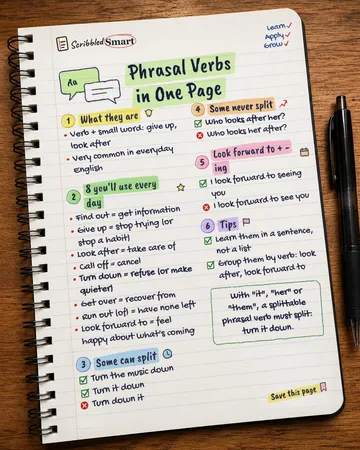
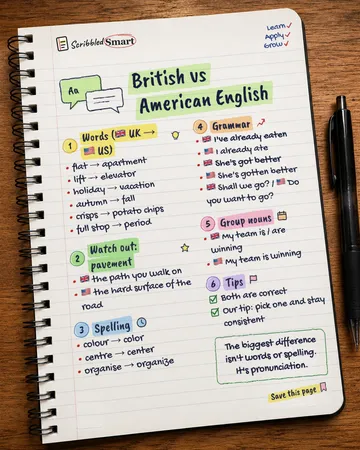
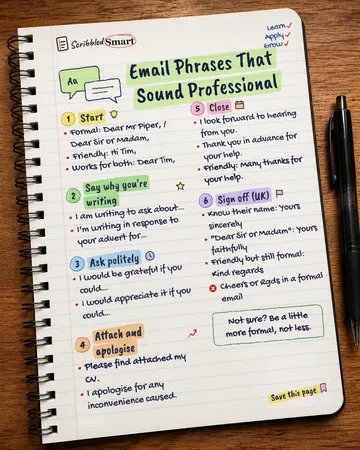
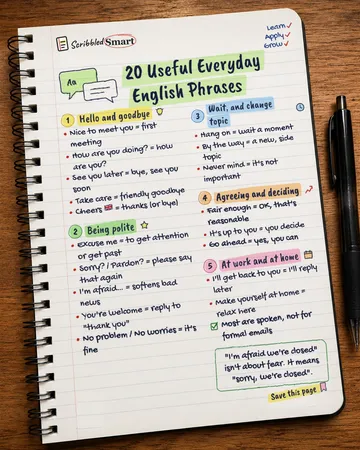
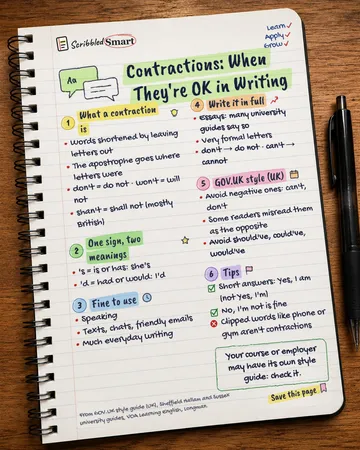
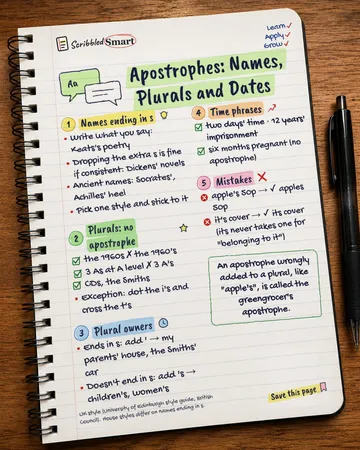
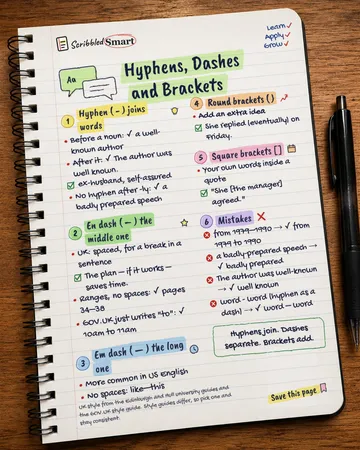
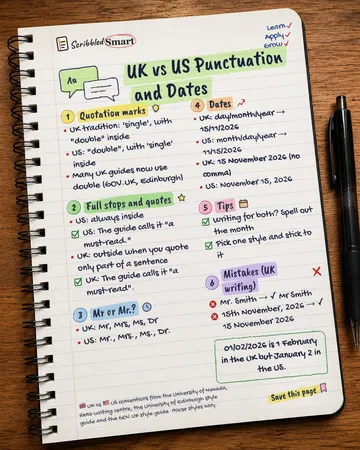
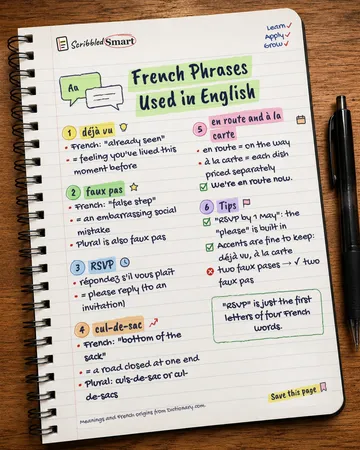
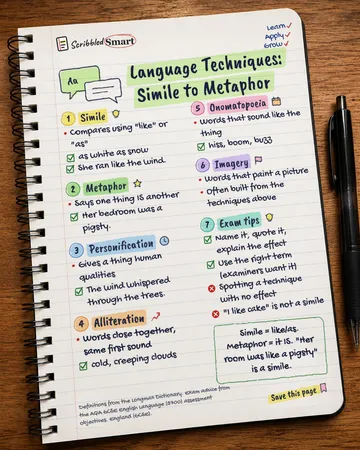
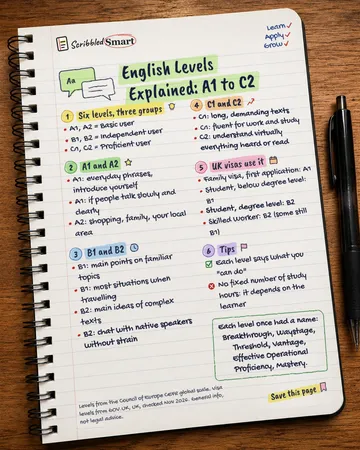
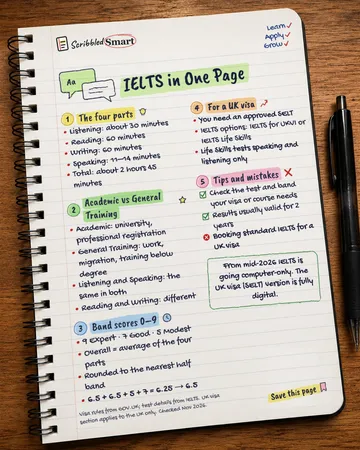
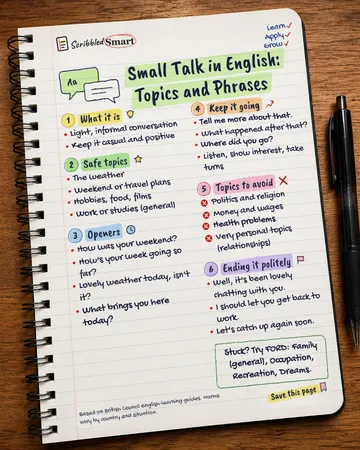
A third group is about using English well at work and in daily life. There are notes on punctuation, formal and informal English, British and American English, phrasal verbs, idioms, useful everyday phrases and email phrases that sound professional.
Every note lists its sources, mainly dictionaries such as Longman, Cambridge and Merriam-Webster, plus the British Council and Purdue's writing lab. Where usage guides disagree, as they do on fewer and less, the note says so and gives the safest choice for formal writing.