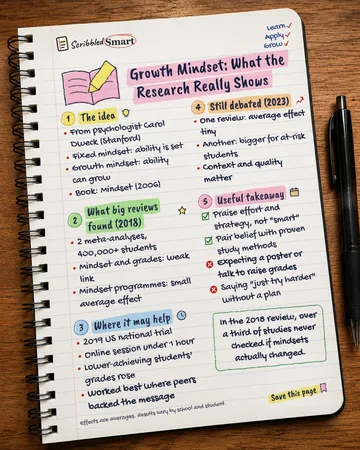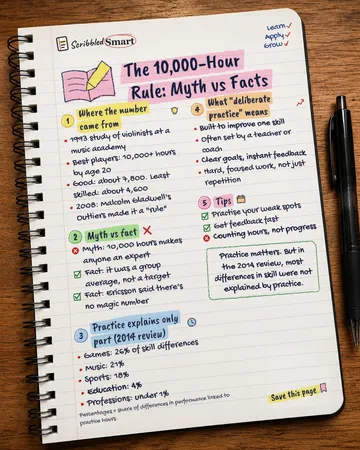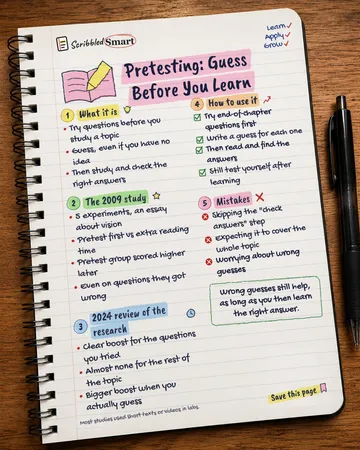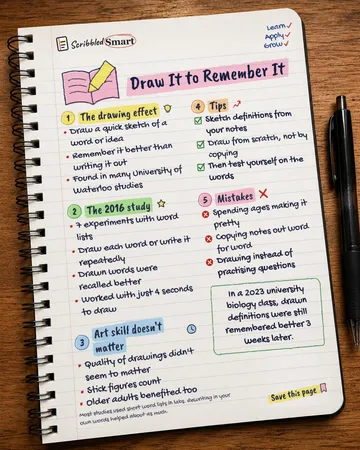
-
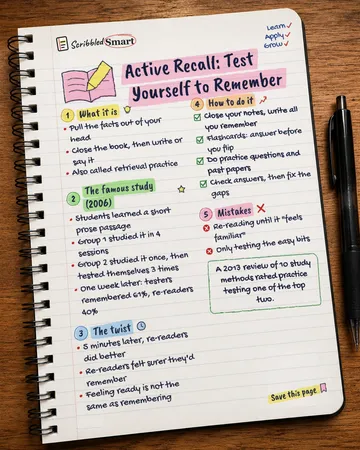
Study Active Recall: Test Yourself to Remember
-
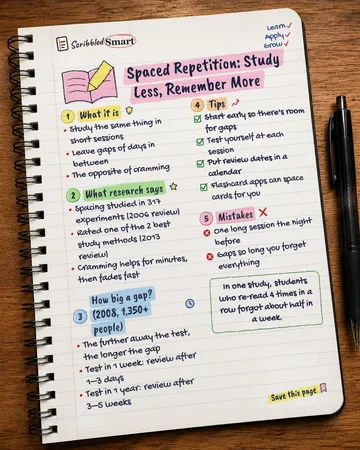
Study Spaced Repetition: Study Less, Remember More
-
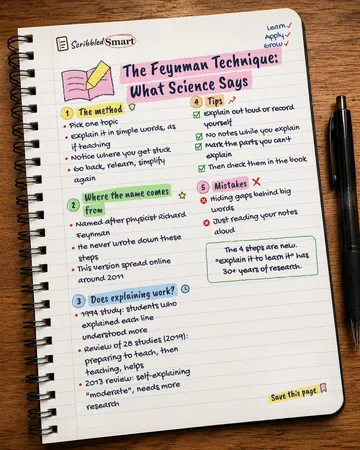
Study The Feynman Technique: What Science Says
-
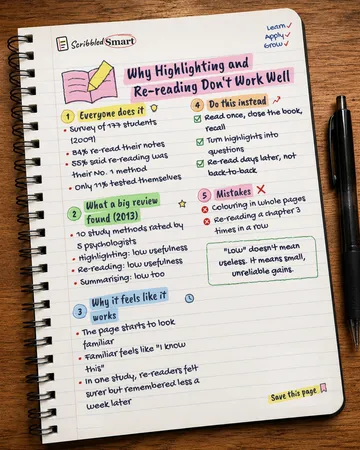
Study Why Highlighting and Re-reading Don't Work Well
-
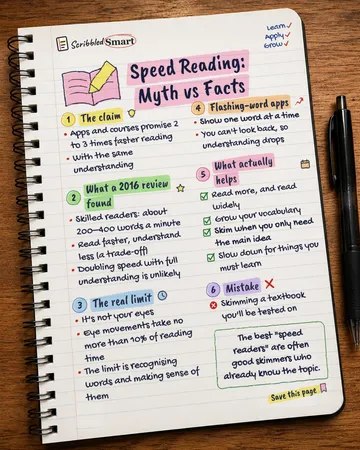
Study Speed Reading: Myth vs Facts
-
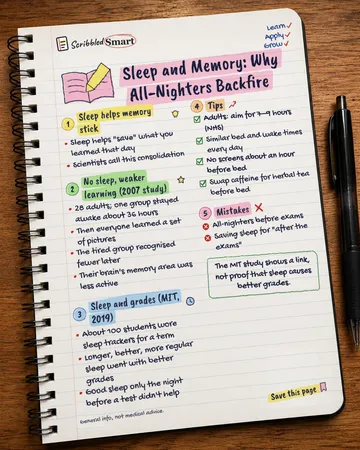
Study Sleep and Memory: Why All-Nighters Backfire
-
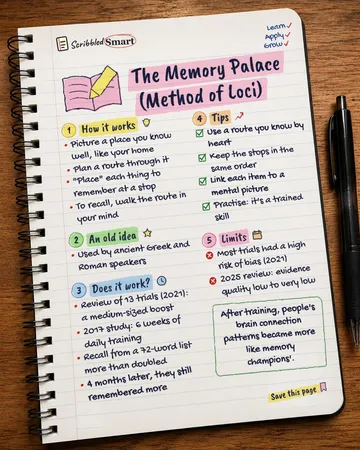
Study The Memory Palace (Method of Loci)
-
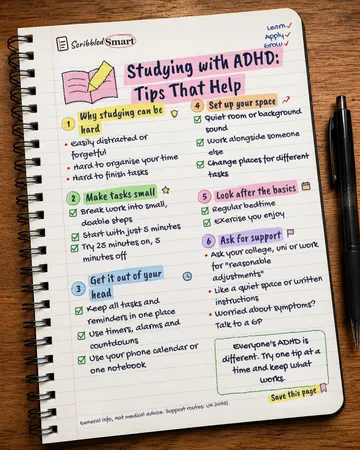
Study · UK Studying with ADHD: Tips That Help
-
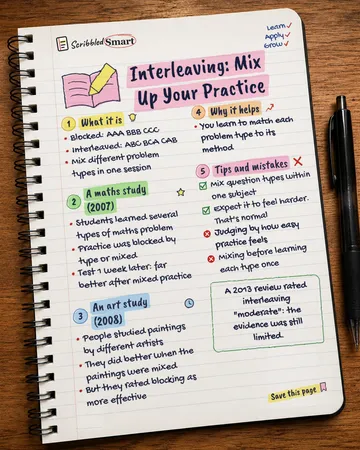
Study Interleaving: Mix Up Your Practice
-
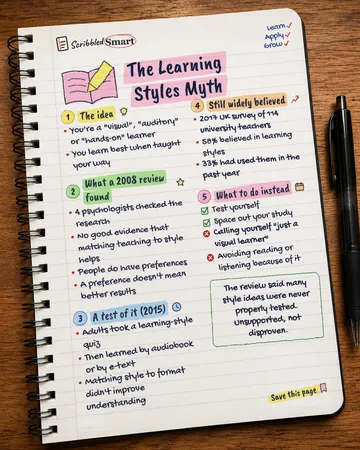
Study The Learning Styles Myth
-
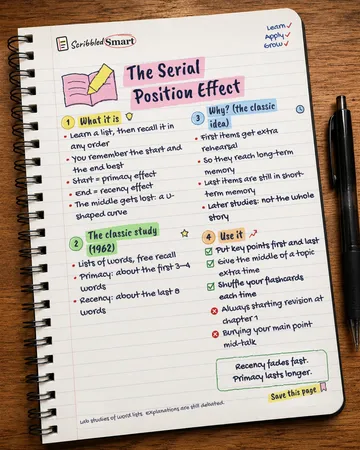
Study The Serial Position Effect
-
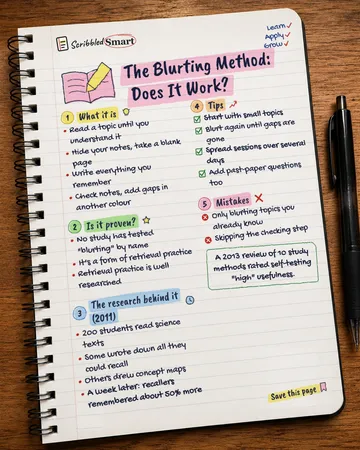
Study The Blurting Method: Does It Work?
-
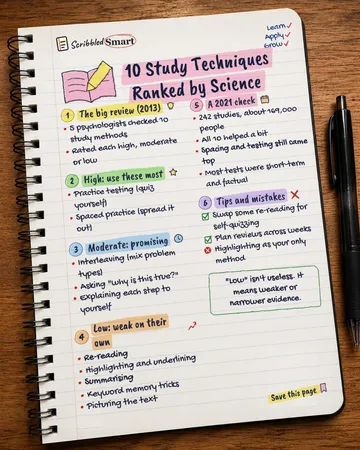
Study 10 Study Techniques Ranked by Science
-
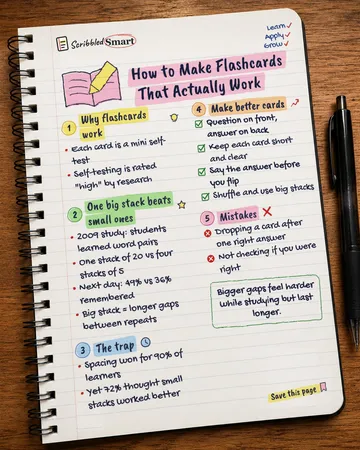
Study How to Make Flashcards That Actually Work
-
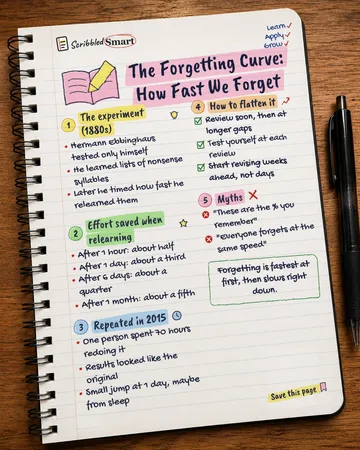
Study The Forgetting Curve: How Fast We Forget
-
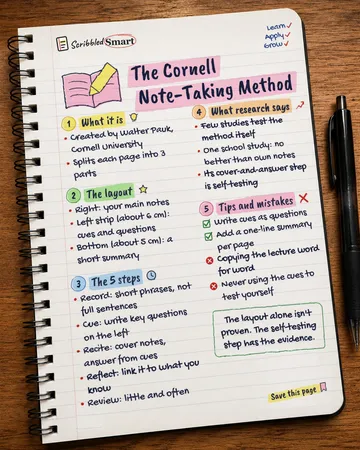
Study The Cornell Note-Taking Method
-
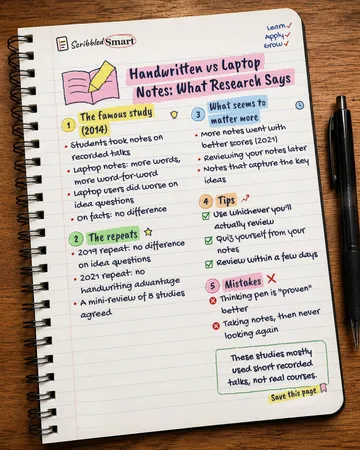
Study Handwritten vs Laptop Notes: What Research Says
-
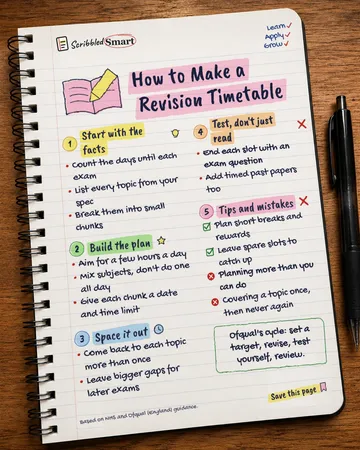
Study How to Make a Revision Timetable
-
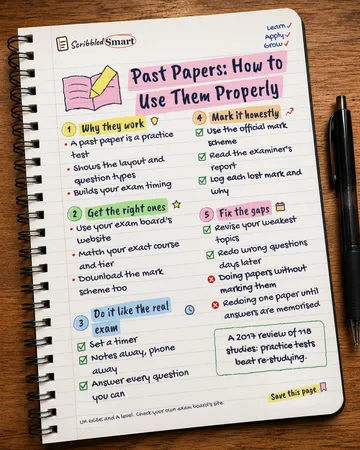
Study · UK Past Papers: How to Use Them Properly
-
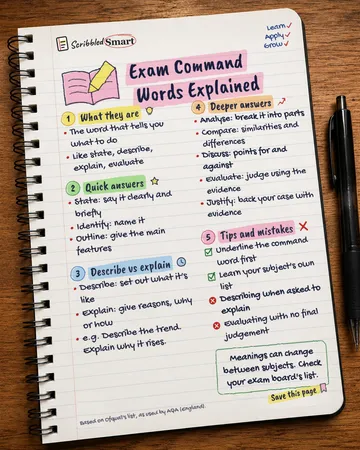
Study Exam Command Words Explained
-
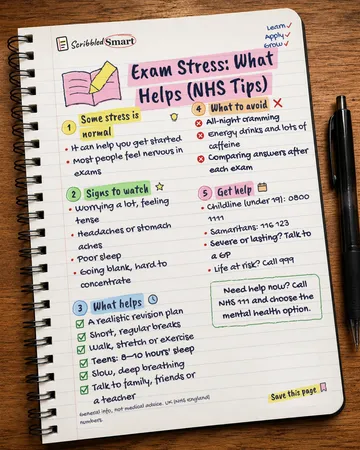
Study · UK Exam Stress: What Helps (NHS Tips)
-
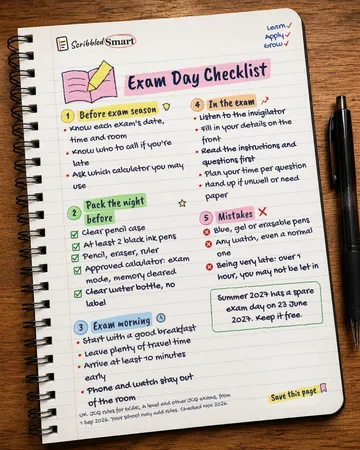
Study · UK Exam Day Checklist
-
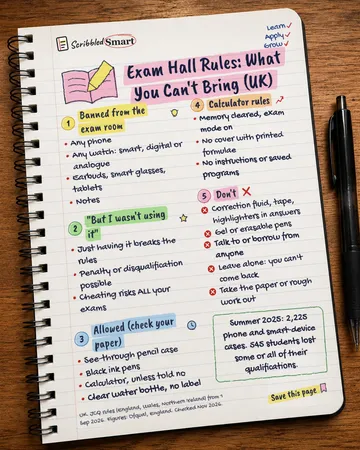
Study · UK Exam Hall Rules: What You Can't Bring (UK)
-
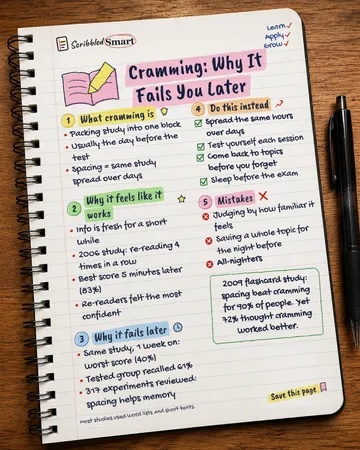
Study Cramming: Why It Fails You Later
-
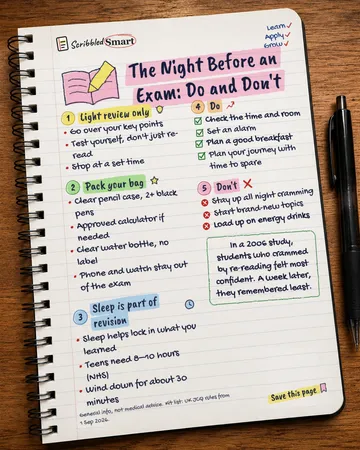
Study · UK The Night Before an Exam: Do and Don't
-
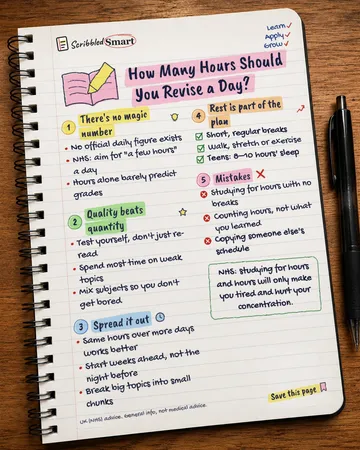
Study · UK How Many Hours Should You Revise a Day?
-
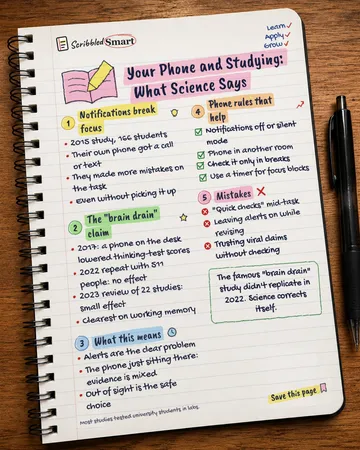
Study Your Phone and Studying: What Science Says
-
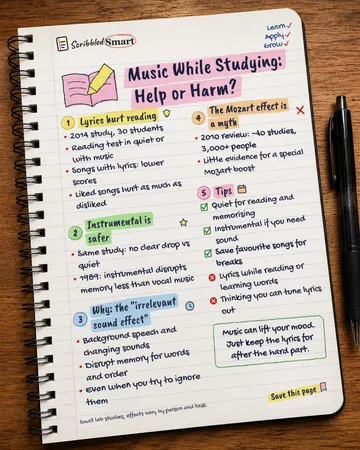
Study Music While Studying: Help or Harm?
-
Study Growth Mindset: What the Research Really Shows
-
Study The 10,000-Hour Rule: Myth vs Facts
-
Study Pretesting: Guess Before You Learn
-
Study Draw It to Remember It
-
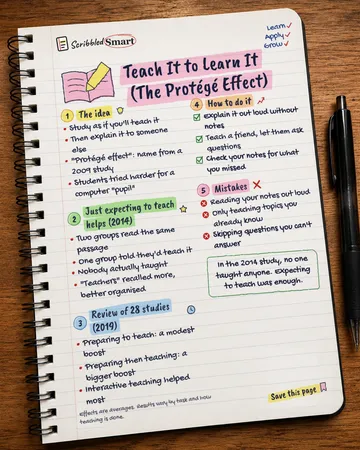
Study Teach It to Learn It (The Protégé Effect)
-
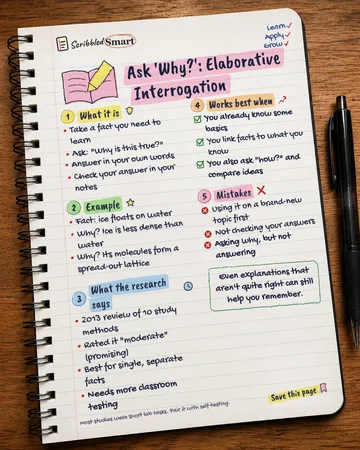
Study Ask 'Why?': Elaborative Interrogation
-
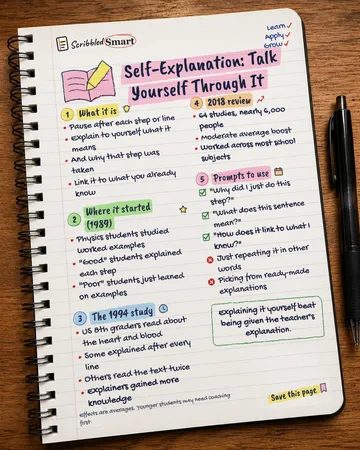
Study Self-Explanation: Talk Yourself Through It
-
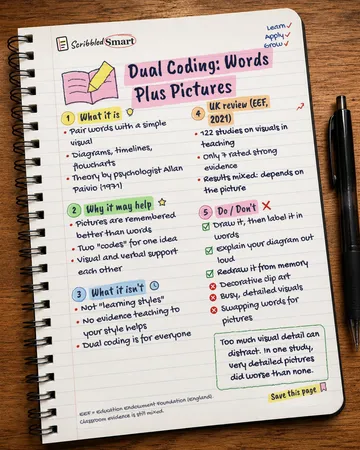
Study Dual Coding: Words Plus Pictures
-
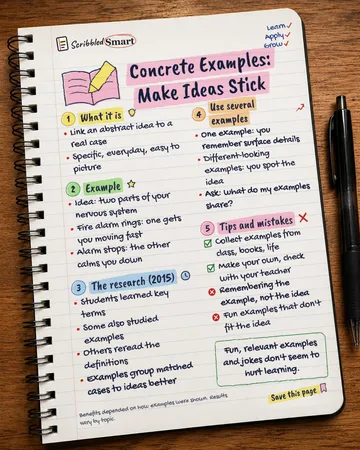
Study Concrete Examples: Make Ideas Stick
-
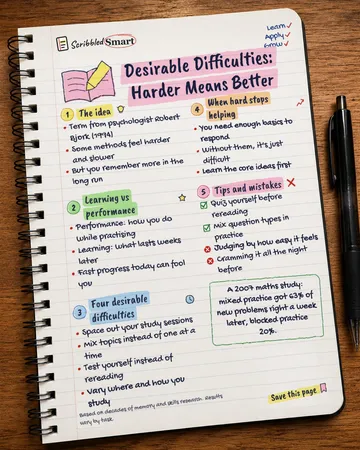
Study Desirable Difficulties: Harder Means Better
-
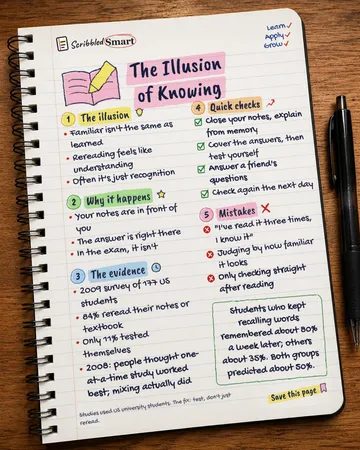
Study The Illusion of Knowing
-
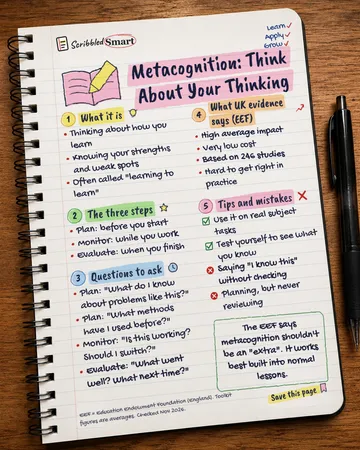
Study Metacognition: Think About Your Thinking
-
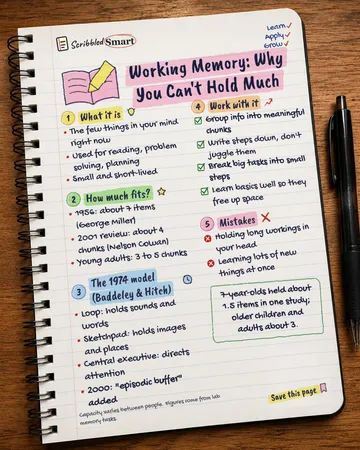
Study Working Memory: Why You Can't Hold Much
-
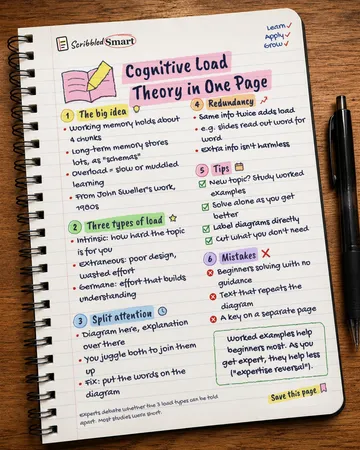
Study Cognitive Load Theory in One Page
-
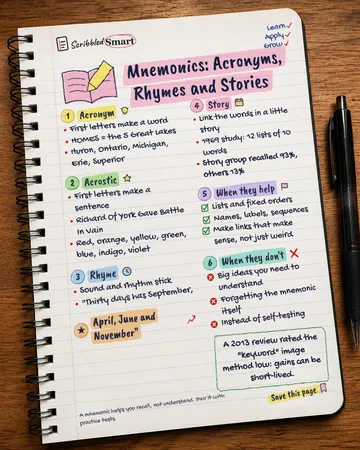
Study Mnemonics: Acronyms, Rhymes and Stories
-
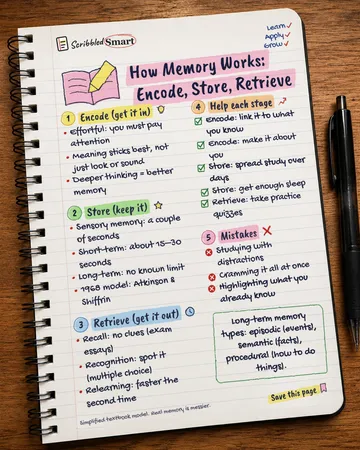
Study How Memory Works: Encode, Store, Retrieve
-
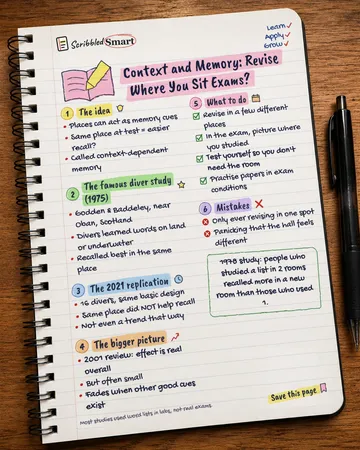
Study Context and Memory: Revise Where You Sit Exams?
-
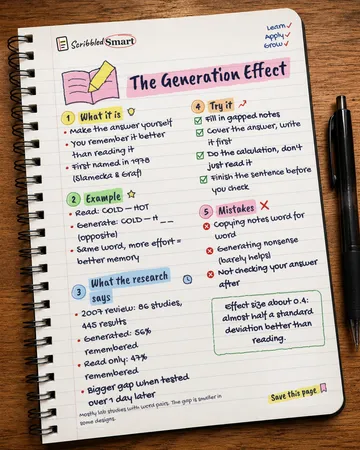
Study The Generation Effect
-
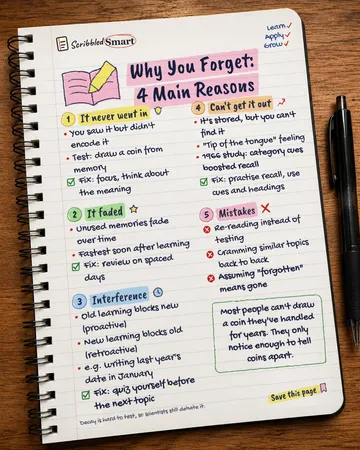
Study Why You Forget: 4 Main Reasons
-
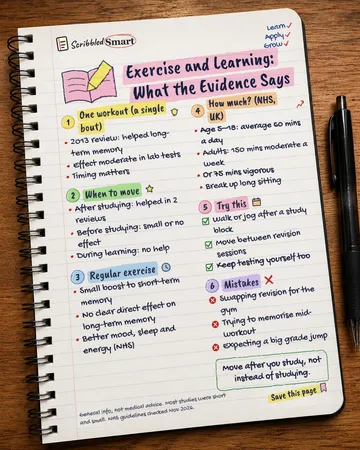
Study Exercise and Learning: What the Evidence Says
-
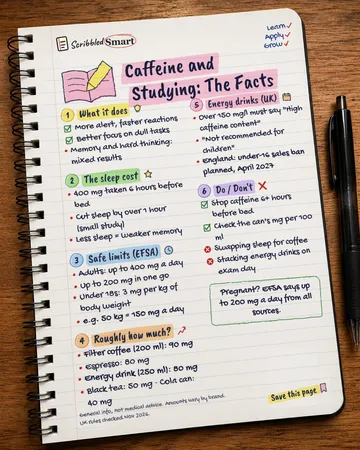
Study · UK Caffeine and Studying: The Facts
-
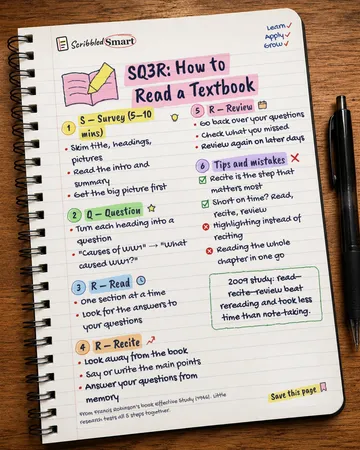
Study SQ3R: How to Read a Textbook
-
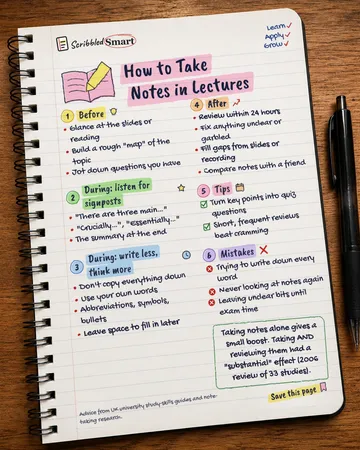
Study · UK How to Take Notes in Lectures
-
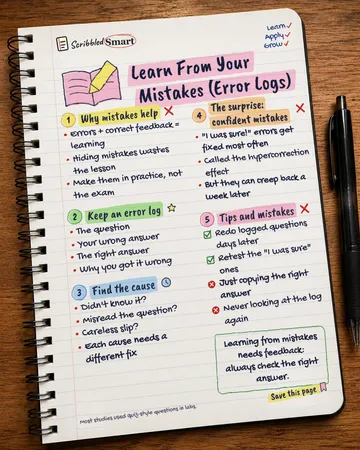
Study Learn From Your Mistakes (Error Logs)
-
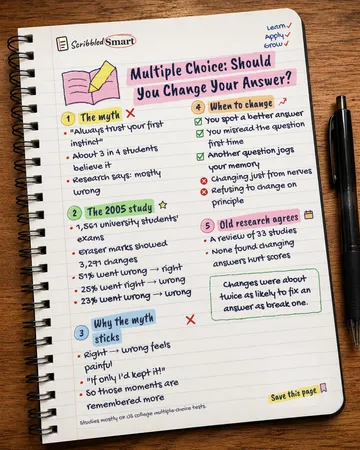
Study Multiple Choice: Should You Change Your Answer?
-
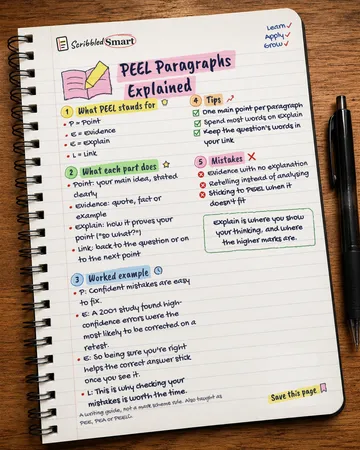
Study PEEL Paragraphs Explained
-
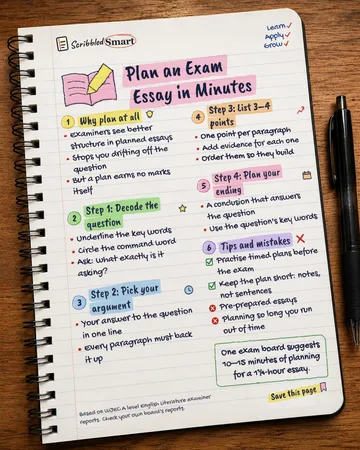
Study Plan an Exam Essay in Minutes
-
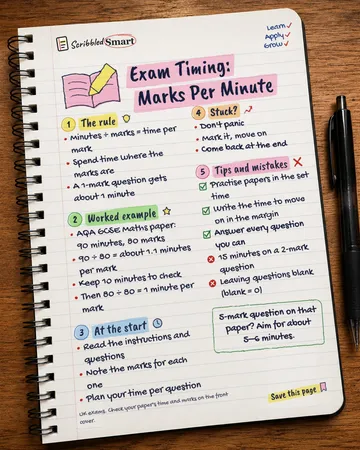
Study · UK Exam Timing: Marks Per Minute
-
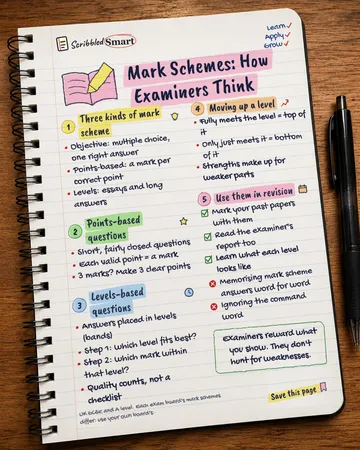
Study · UK Mark Schemes: How Examiners Think
-
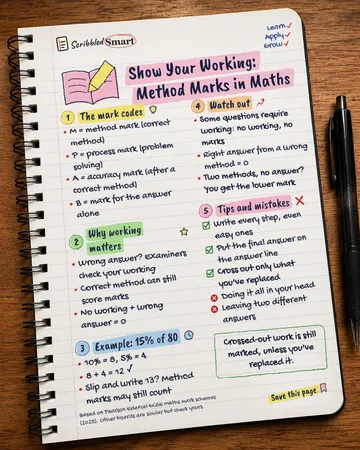
Study Show Your Working: Method Marks in Maths
-
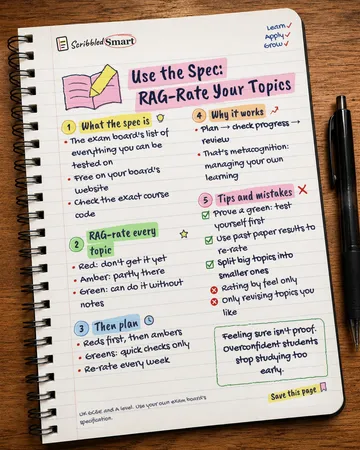
Study · UK Use the Spec: RAG-Rate Your Topics
-
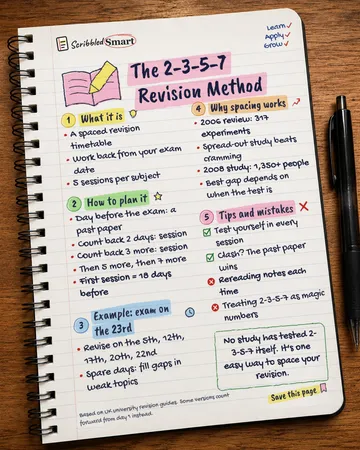
Study · UK The 2-3-5-7 Revision Method
-
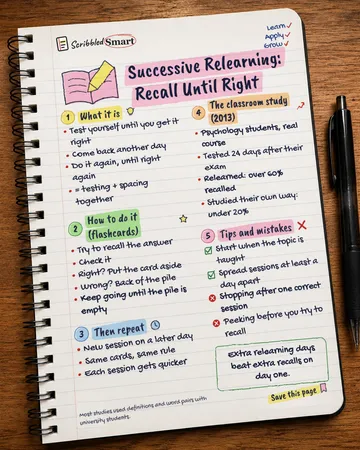
Study Successive Relearning: Recall Until Right
-
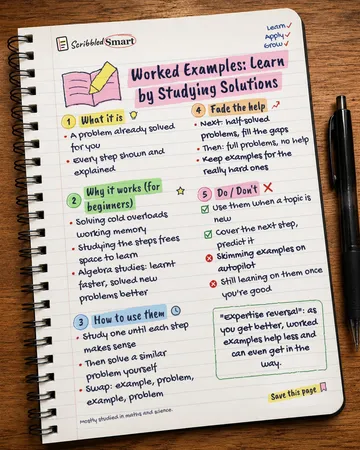
Study Worked Examples: Learn by Studying Solutions
-
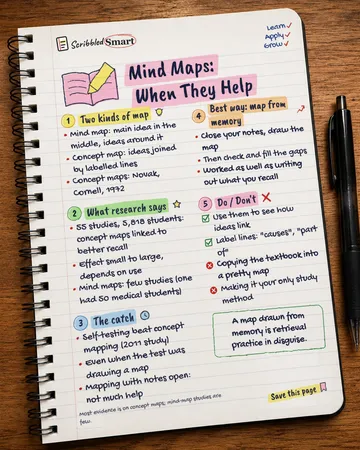
Study Mind Maps: When They Help
-
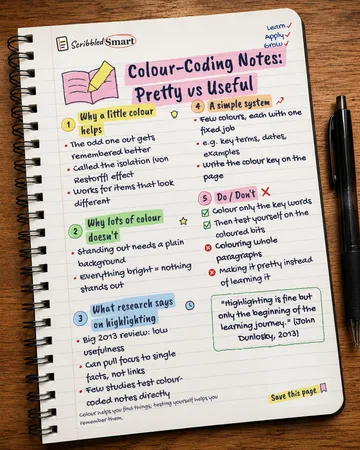
Study Colour-Coding Notes: Pretty vs Useful
-
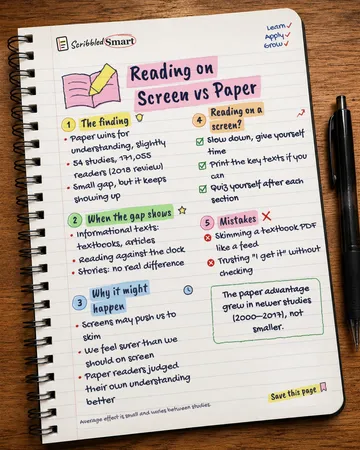
Study Reading on Screen vs Paper
-
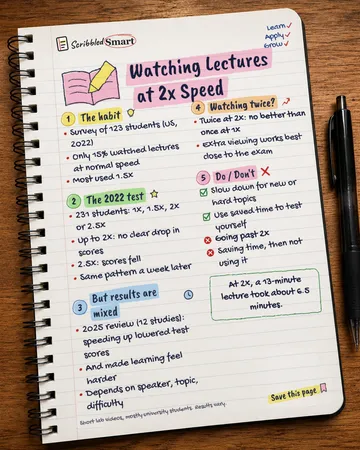
Study Watching Lectures at 2x Speed
-
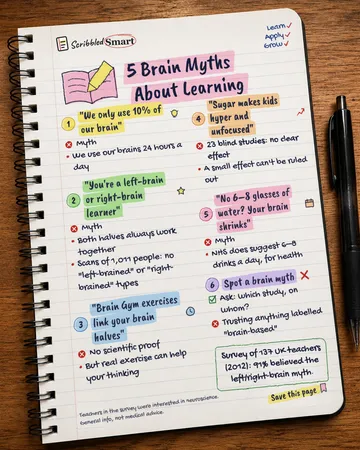
Study 5 Brain Myths About Learning
-
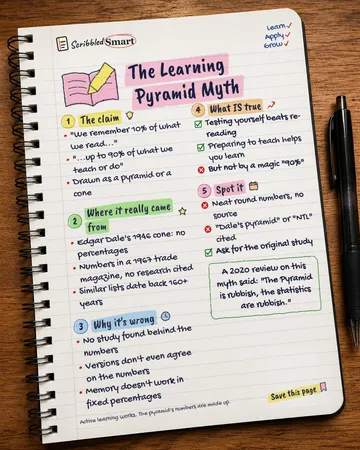
Study The Learning Pyramid Myth
-
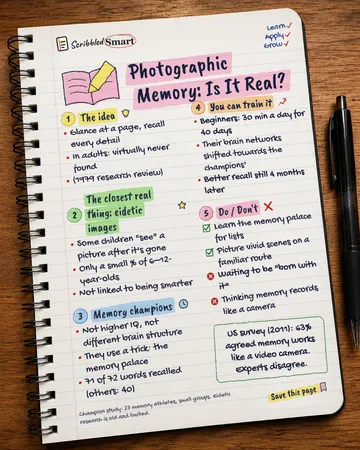
Study Photographic Memory: Is It Real?
-
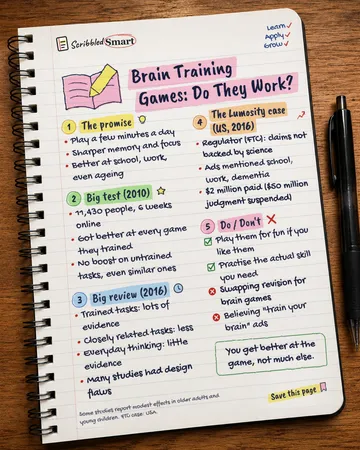
Study Brain Training Games: Do They Work?
-
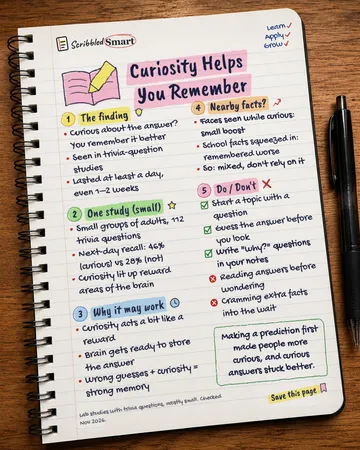
Study Curiosity Helps You Remember
-
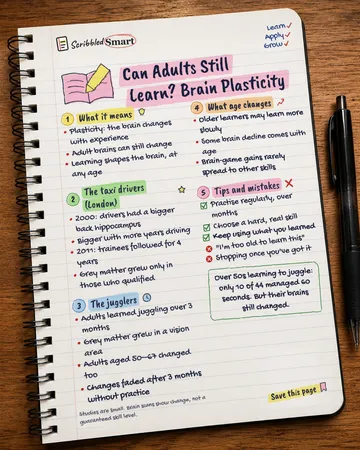
Study Can Adults Still Learn? Brain Plasticity
-
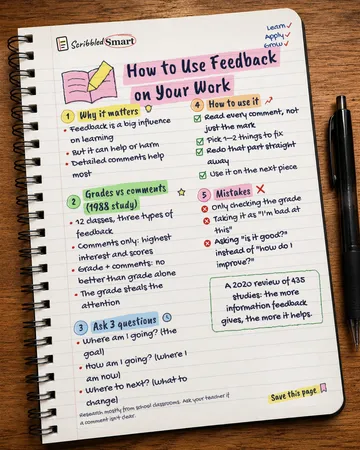
Study How to Use Feedback on Your Work
-
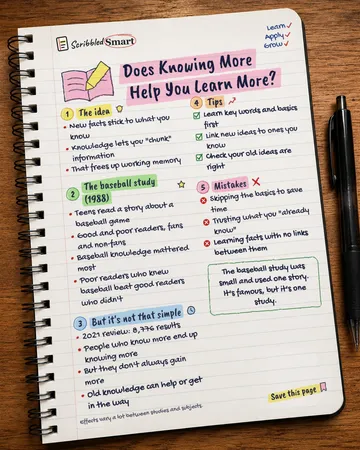
Study Does Knowing More Help You Learn More?
-
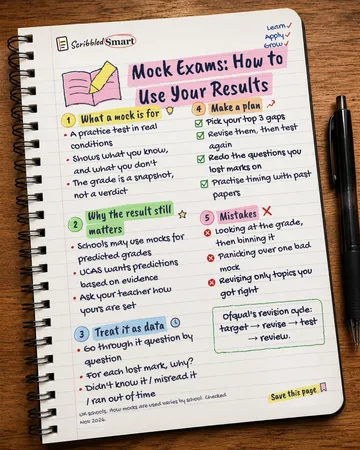
Study · UK Mock Exams: How to Use Your Results
-
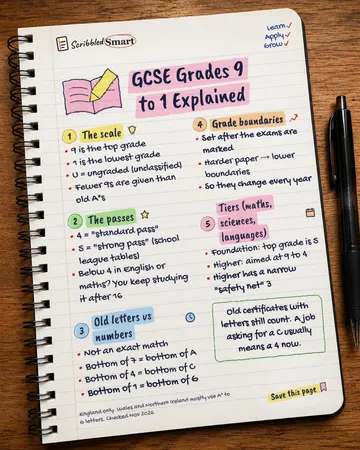
Study GCSE Grades 9 to 1 Explained
-
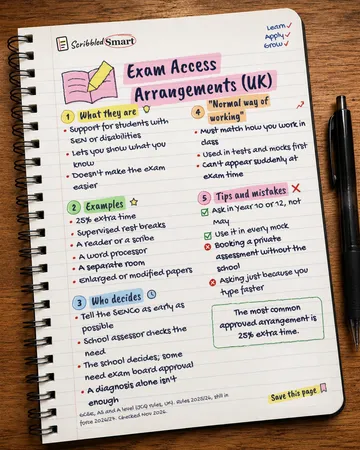
Study · UK Exam Access Arrangements (UK)
-
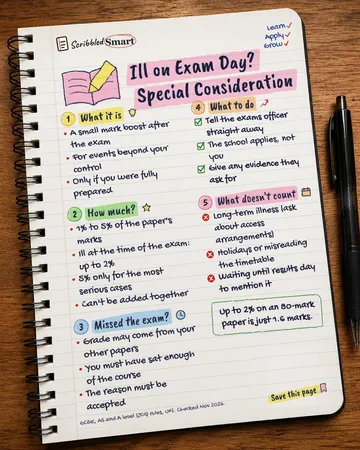
Study · UK Ill on Exam Day? Special Consideration
-
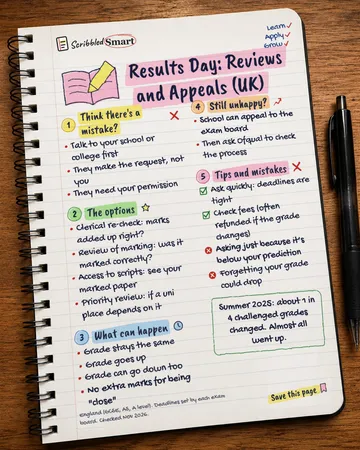
Study Results Day: Reviews and Appeals (UK)
-
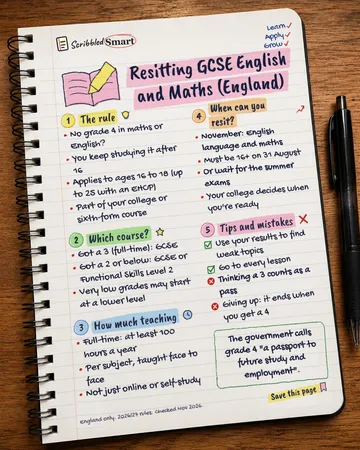
Study Resitting GCSE English and Maths (England)
-
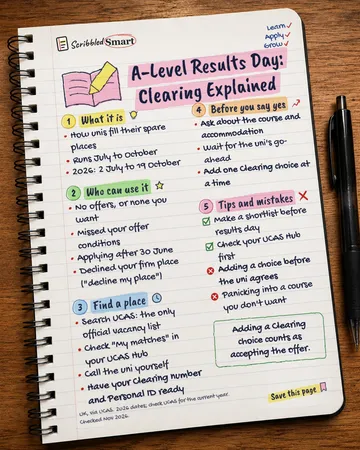
Study · UK A-Level Results Day: Clearing Explained
-
Study · UK Using AI Chatbots to Study (Wisely)
-
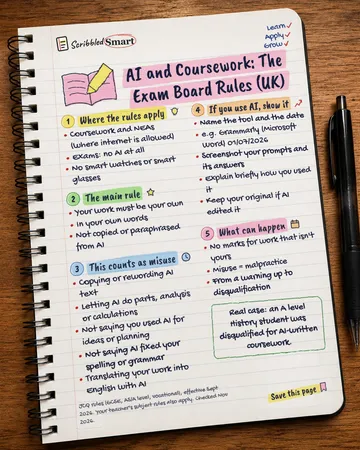
Study AI and Coursework: The Exam Board Rules (UK)
-
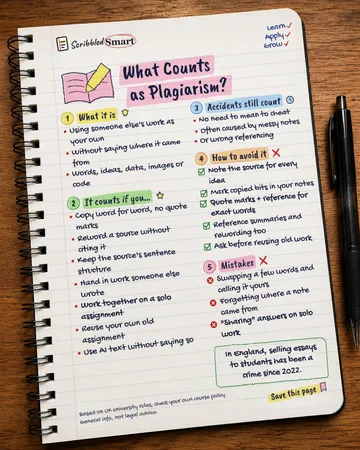
Study · UK What Counts as Plagiarism?
-
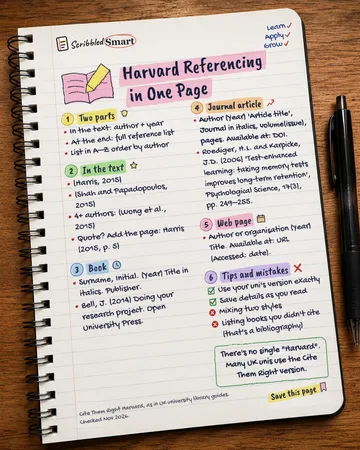
Study · UK Harvard Referencing in One Page
-
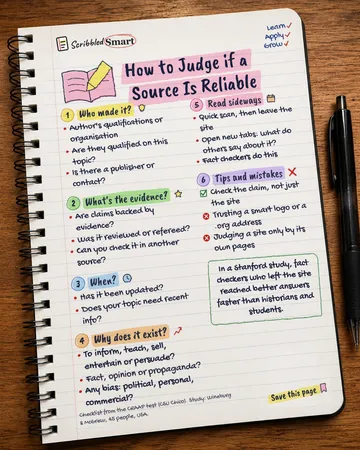
Study How to Judge if a Source Is Reliable
-
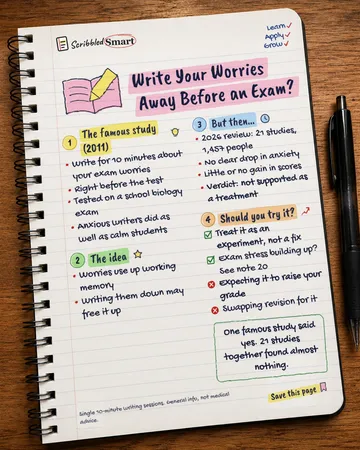
Study Write Your Worries Away Before an Exam?
-
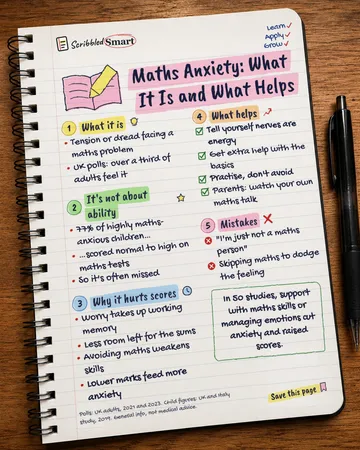
Study · UK Maths Anxiety: What It Is and What Helps
-
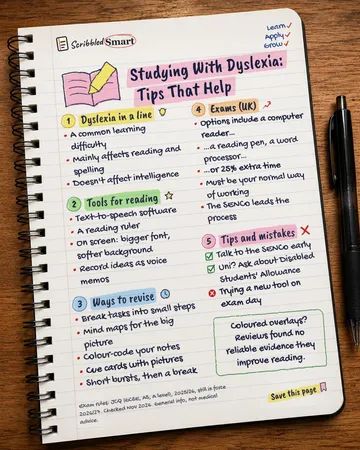
Study Studying With Dyslexia: Tips That Help
-
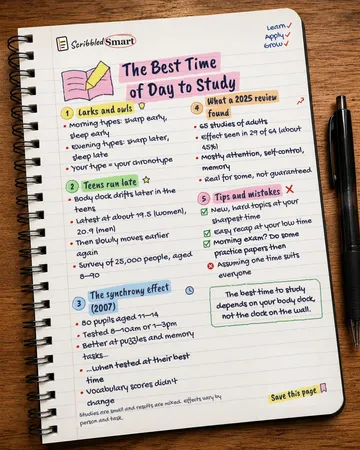
Study The Best Time of Day to Study
-
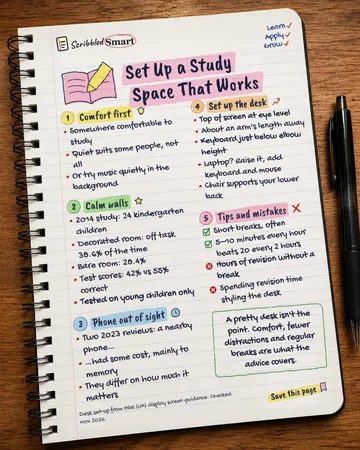
Study · UK Set Up a Study Space That Works
-
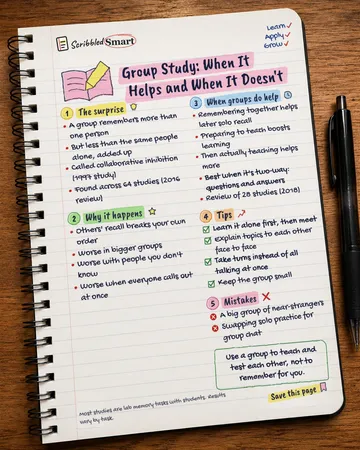
Study Group Study: When It Helps and When It Doesn't
-
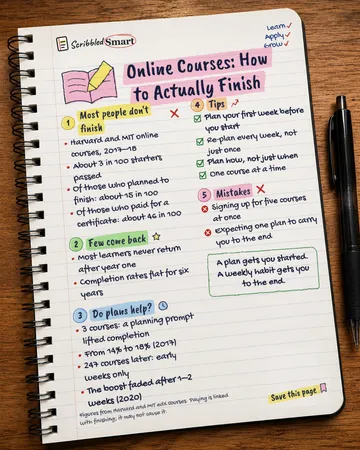
Study Online Courses: How to Actually Finish
-
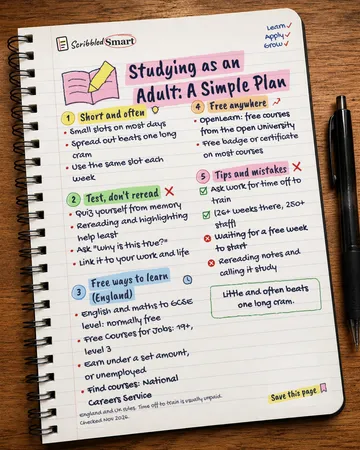
Study · UK Studying as an Adult: A Simple Plan
-
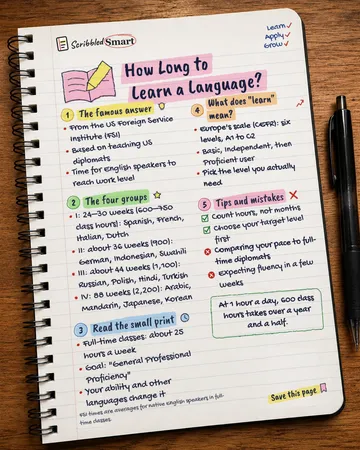
Study How Long to Learn a Language?
-
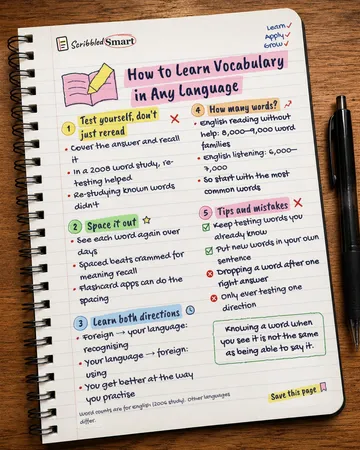
Study How to Learn Vocabulary in Any Language
-
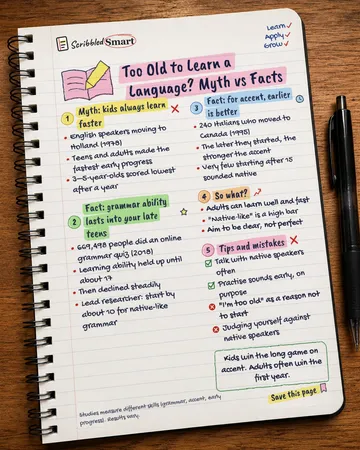
Study Too Old to Learn a Language? Myth vs Facts
-
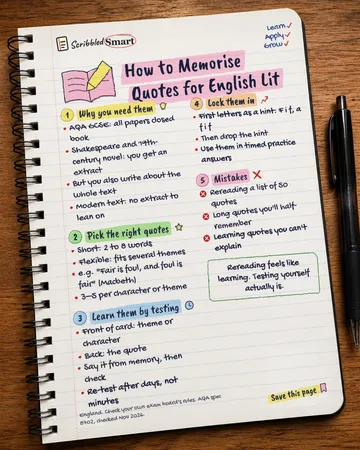
Study How to Memorise Quotes for English Lit
-
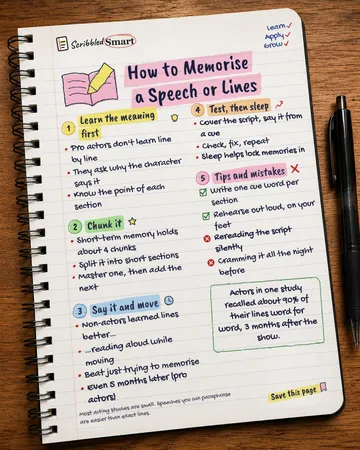
Study How to Memorise a Speech or Lines
-
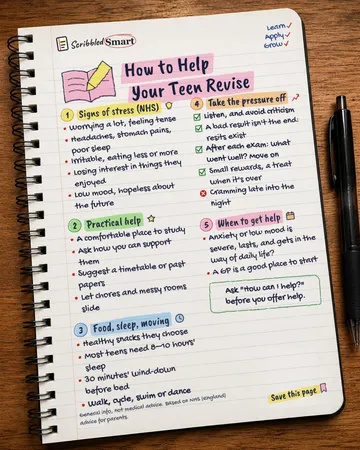
Study How to Help Your Teen Revise
About the Study series
This series is about learning more in the time you have. It focuses on study methods that have been tested in research, such as active recall, spaced repetition and interleaving, and explains how to use them with flashcards, past papers, blurting and a revision timetable.
Several notes deal with popular habits that don't work as well as people think. There are notes on highlighting and re-reading, speed reading, the learning styles idea and the Feynman technique, each saying what the evidence shows. A note ranking ten common study techniques brings these together.
Other notes explain how memory works, including the forgetting curve, the memory palace method and why sleep matters before an exam. There are also practical pages on the Cornell note-taking method, handwritten versus laptop notes, exam command words, studying with ADHD and exam stress.
Every note lists its sources, mostly peer-reviewed studies and reviews, plus NHS guidance where health comes in. If you only try one thing, start with testing yourself instead of re-reading.