
Psychology


-
-
-
-
-
-
-
-
-
-
-
-
-
-
-
-
-
-

-
-
-
-
-
-
-

-
-
-
-
-

-
-
-
-
-
-
-
-
-

-
-
-
-
-

-
-
-

-

-
-
-
-

-

-

-
-
-
-
-
-

-

-
-
-
-
-
-
-
-
-
-
-
-

-

-

-

-
-

-

-
-
-
-
-

-
-
-
-
-
-
-
-

-
-
-

-

-
-

-
-


About the Psychology series
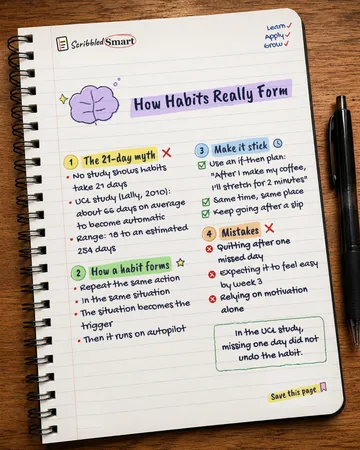
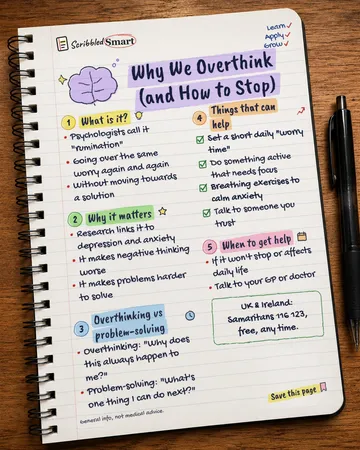
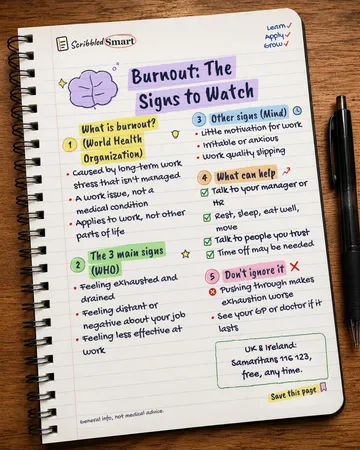
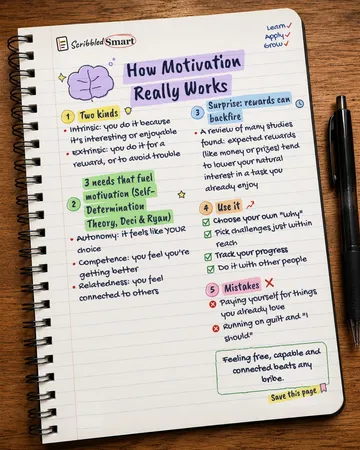
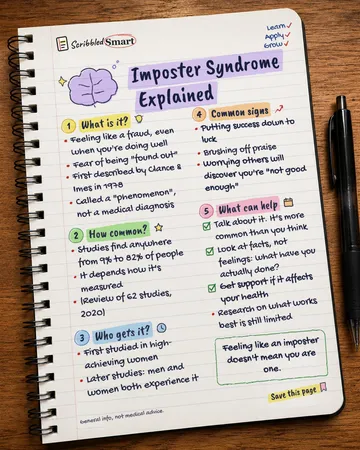
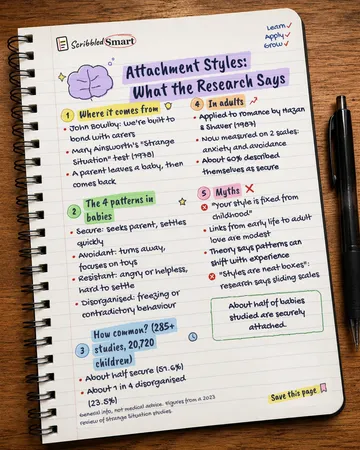
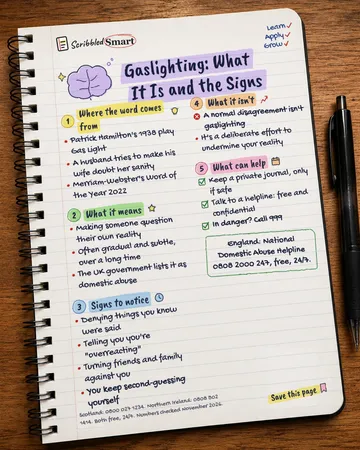
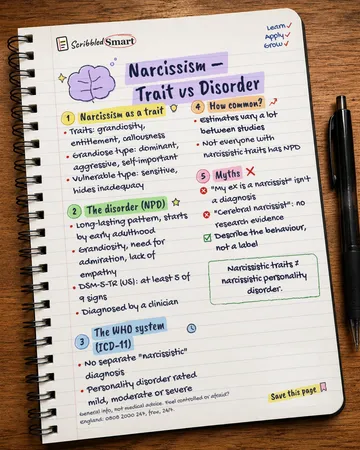
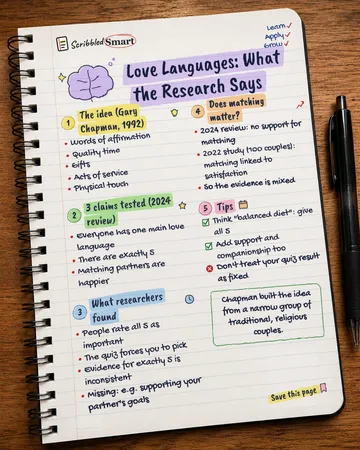
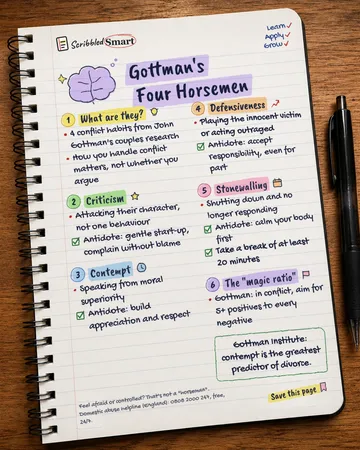
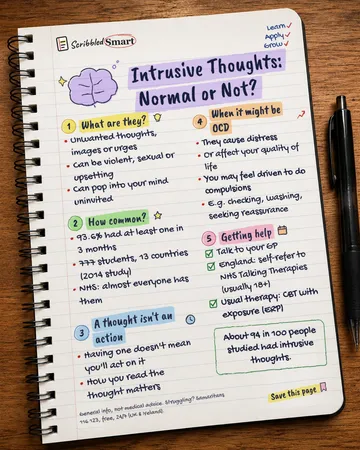
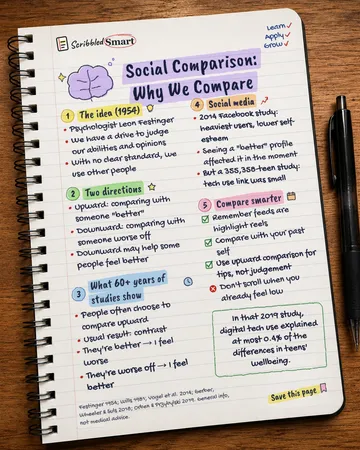
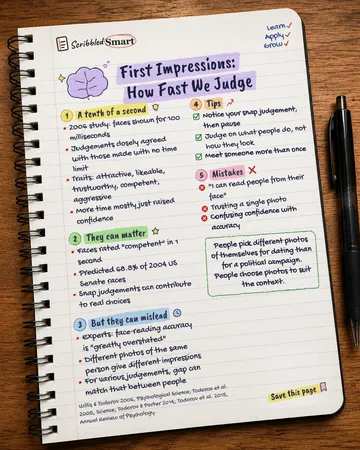
This series looks at how people think, feel and behave, and it separates what research supports from what gets repeated online. Some notes explain everyday patterns, such as how habits form, why we overthink, how motivation works and what burnout looks like. Others cover ideas that show up in conversations about relationships and work, such as attachment styles, love languages, gaslighting, narcissism and imposter syndrome.
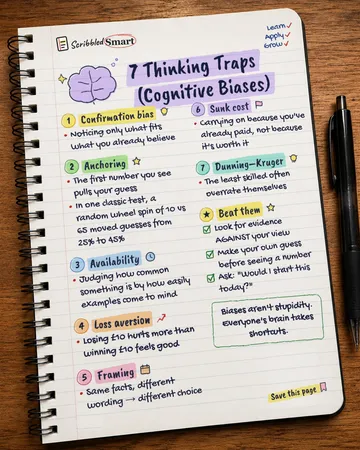
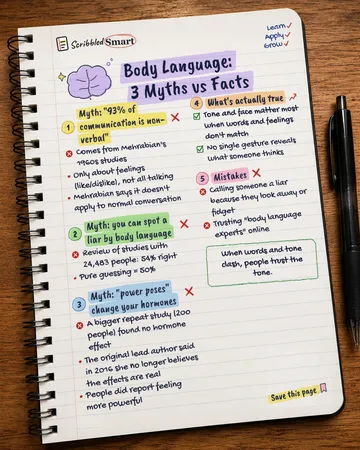
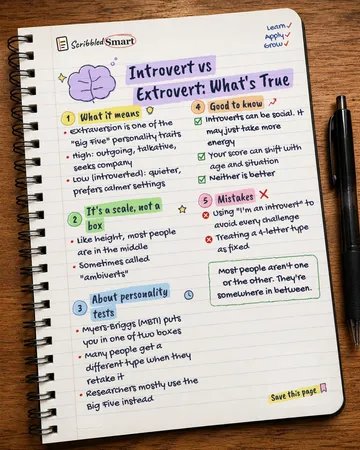
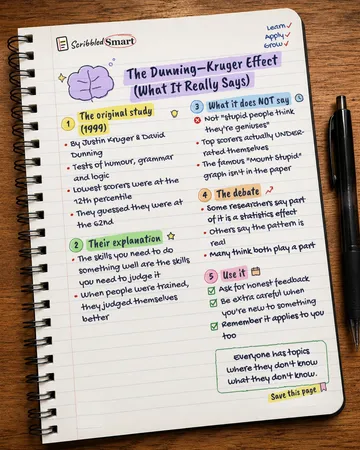
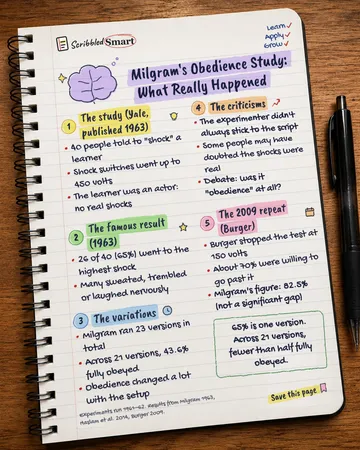
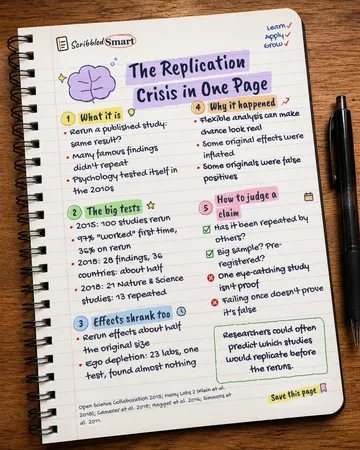
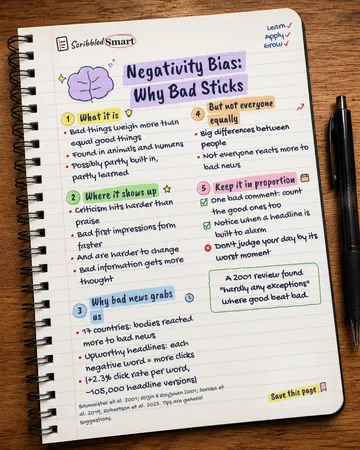
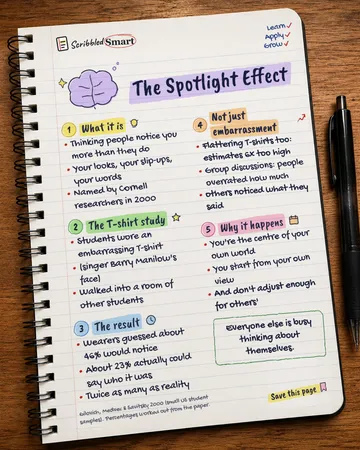
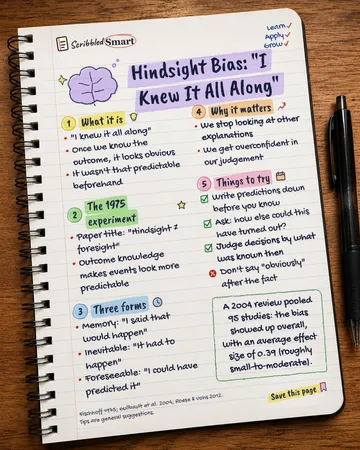
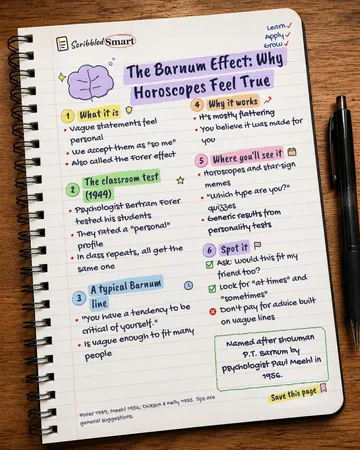
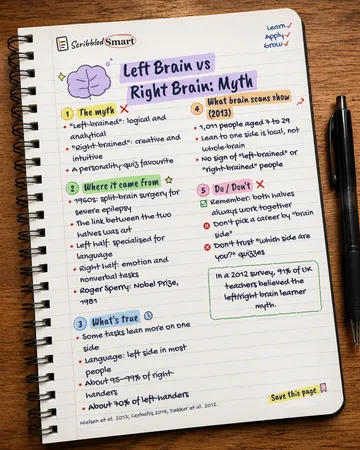
A thread running through the series is checking popular claims. Notes on the Dunning–Kruger effect, body language, introverts and extroverts, the Stanford Prison Experiment and Milgram's obedience study set out what the original research found and where the popular version goes further than the evidence.
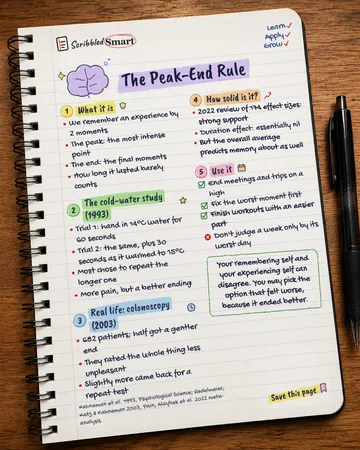
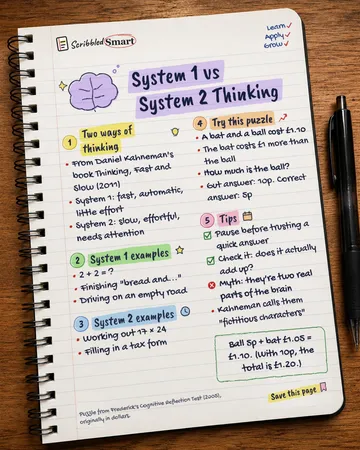
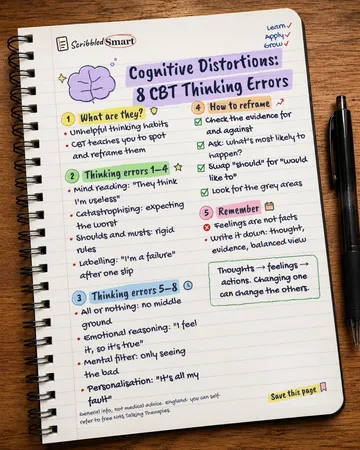
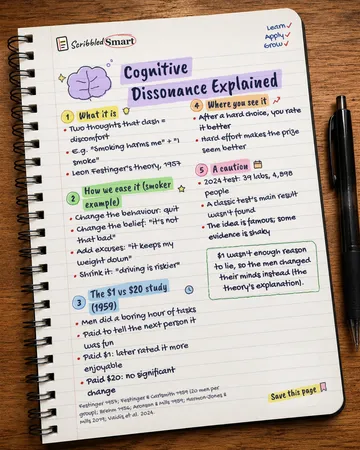
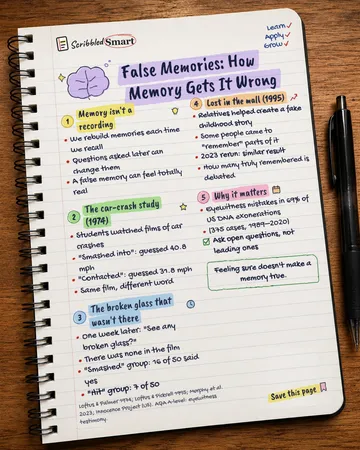
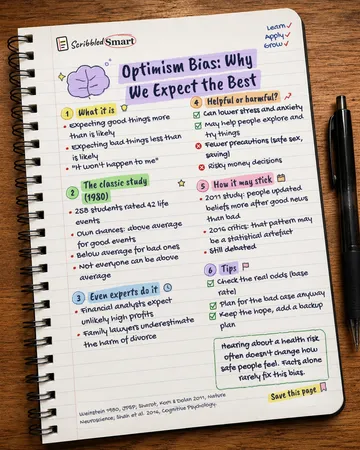
There are also notes on thinking itself: common cognitive biases, the thinking errors used in CBT, and the idea of fast and slow thinking.
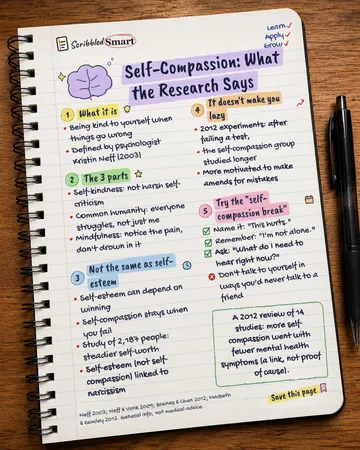
Each note lists its sources, which are mostly research papers and NHS guidance. Where studies disagree or are small, the note says so instead of picking a side. These notes are general information and are not a substitute for help from a qualified professional.